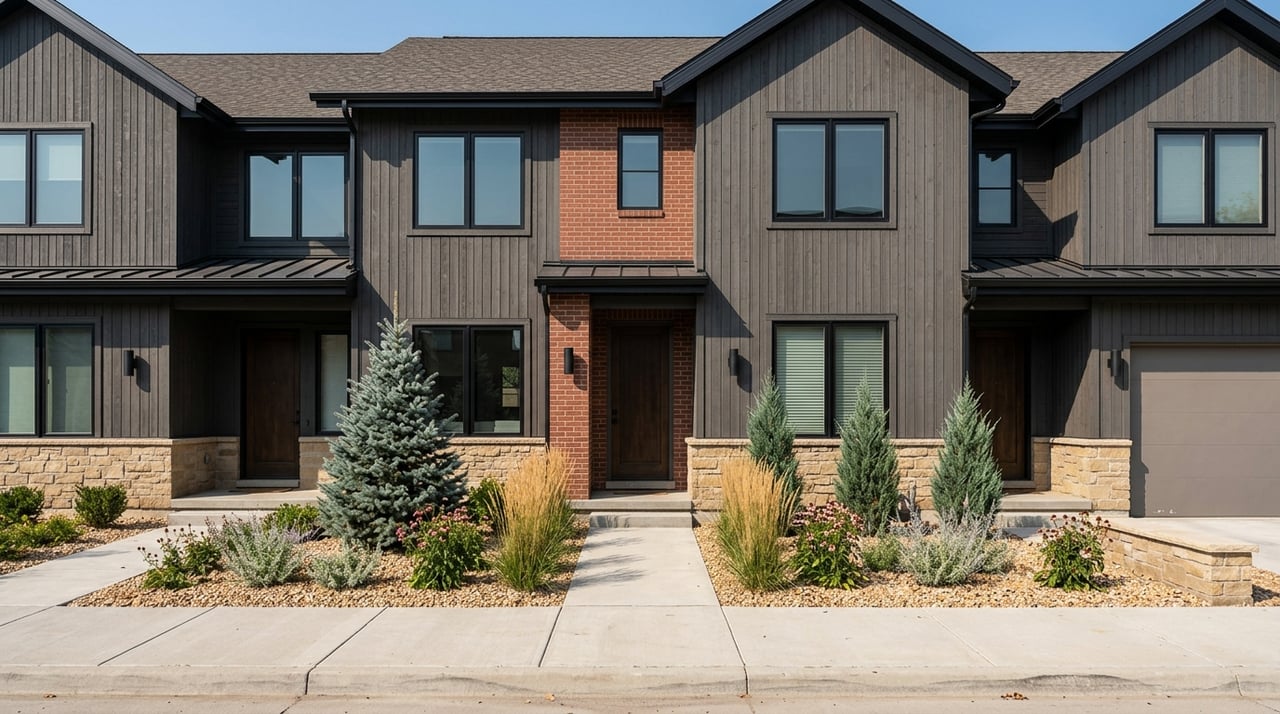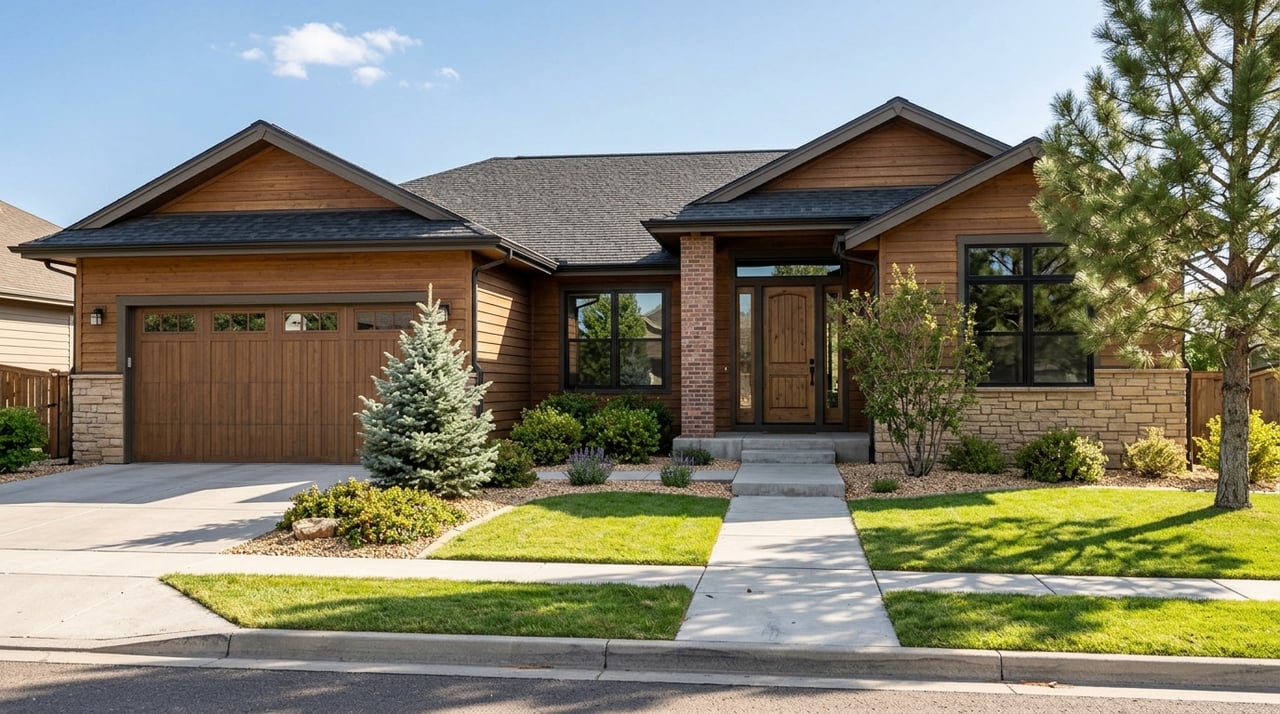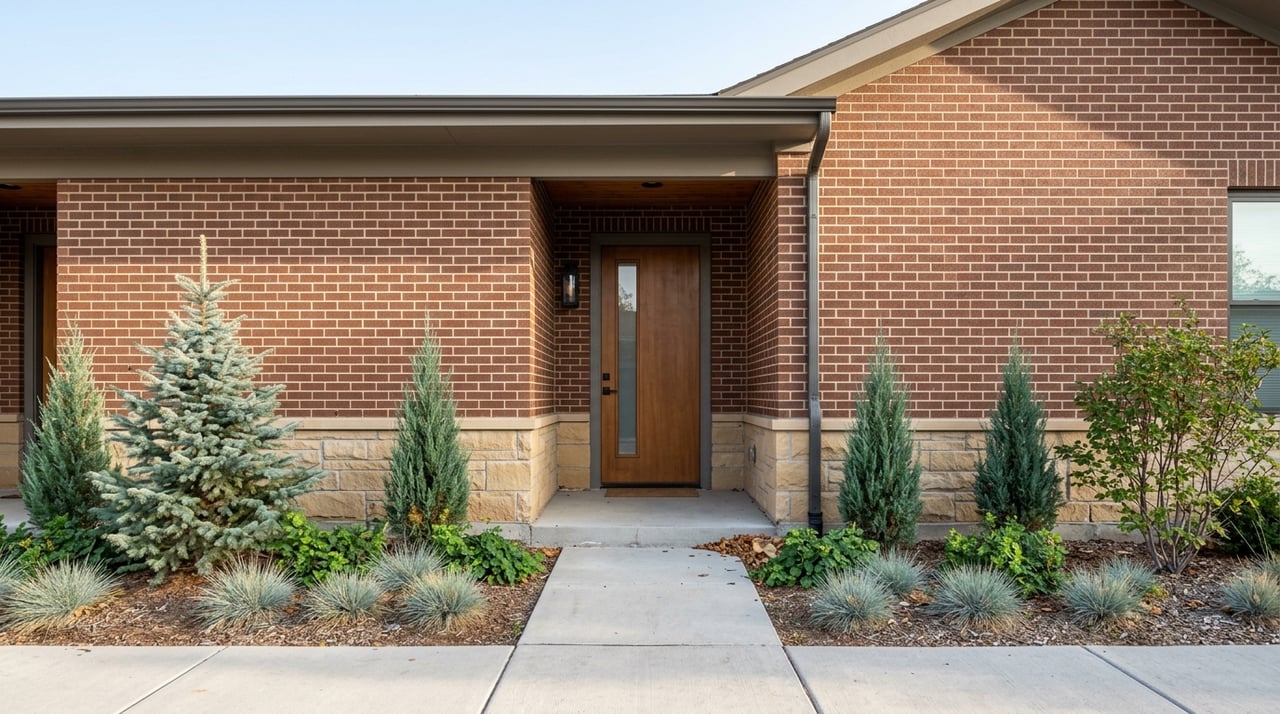
If you want to buy in Littleton but detached home prices feel out of reach, you are not alone. For many first-time buyers, condos and townhomes offer a more realistic way to stop renting, start building equity, and get into a market they already love. The key is knowing what you are really buying, what the HOA changes, and where the real costs can hide. Let’s dive in.
Why attached homes matter in Littleton
In Littleton, condos and townhomes often serve as the starting point for buyers who want ownership without the price tag of a detached house. As of mid-2026, Redfin shows 264 condos for sale in Littleton at a median listing price of $330,000 and 203 townhouses at $495,000. Over the prior three months, the city-wide median sale price for all homes was $620,000.
Those numbers are not a perfect apples-to-apples comparison because the attached-home figures are listing medians and the city figure is a sale median. Even so, the gap still points to condos and townhomes as a lower entry point in Littleton. If you are searching for a starter home, that difference can open up more realistic options.
Littleton’s own housing study also gives useful historical context. Using 2016 MLS data, the City of Littleton found a median sale price of $247,750 for attached homes versus $410,000 for detached homes. The same study showed that for renters earning $50,000 to $75,000 who could afford homes in Littleton, 78% of the affordable options were attached housing.
Littleton prices vary by area
Not every condo or townhome in Littleton will feel like a budget buy. Pricing can shift a lot depending on the submarket, the community setup, and the age of the property. That is why it helps to look beyond the word “townhome” or “condo” and study each listing in context.
Current townhouse medians show that spread clearly. Redfin lists townhouse medians at about $521,000 in South Littleton and about $675,000 in Central or Historic Downtown Littleton. If you are planning your search, it helps to think in terms of both property type and area, not just a single city-wide price range.
What you own in a condo
This is one of the most important things to understand before you buy. In Colorado, condo ownership is not limited to the inside walls of your home in the way many buyers assume. State guidance describes a condominium as an individual air-space unit plus an undivided interest in the common elements.
Common elements can include land, roofs, hallways, parking areas, storage spaces, and central systems. Some areas may be limited common elements, which means they are shared areas reserved for fewer than all owners. In plain English, when you buy a condo, you usually own your private unit and a share of the shared property around it.
That matters because your rights, maintenance responsibilities, and HOA costs are tied to that ownership structure. It also helps explain why dues exist and why shared repairs can affect all owners. If a listing looks appealing, the next question should be: what is private, what is shared, and who is responsible for each part?
Why townhome ownership needs extra checking
Townhomes can be more confusing because the exterior style does not tell you the legal ownership model. In Colorado, a townhome may be organized as a planned community or as a condo-style common interest community. That means two homes that look similar from the street can come with very different ownership details.
The marketing label alone is not enough. You should verify the recorded declaration, plat, and title documents so you know what you are actually buying. This is especially important if you expect a townhome to function more like a detached home with fewer shared elements.
Older communities can add another layer. Colorado notes that common interest communities created before July 1, 1992 can still be governed differently for some issues. In Littleton, where many attached-home communities are not brand-new, that history can matter more than buyers expect.
What HOA dues usually cover
HOA dues are one of the biggest reasons attached homes can feel simpler on the surface and more complex underneath. In Colorado, HOA assessments commonly fund maintenance, landscaping, legal fees, registration fees, insurance, and other operating expenses. The exact coverage varies by association, so you should never assume that two monthly dues amounts pay for the same things.
In some communities, dues may help cover exterior upkeep, shared parking, storage, roofs, or central systems. In others, certain amenities or facilities may involve separate fees beyond the regular assessment. The governing documents and budget are the best place to confirm what is included.
This is where the real comparison between a condo, townhome, and detached house becomes clearer. A lower purchase price may come with monthly dues, less control over exterior decisions, and a shared approach to maintenance. For many buyers, that tradeoff is still worth it, but it needs to be a conscious choice.
The biggest risks to watch for
Attached homes can be a smart entry point, but they come with risks that first-time buyers should understand early. One of the biggest is the possibility of special assessments. These can be levied for common-element repairs, new construction, unexpected major expenses, or reserve allocations.
Another risk is weak HOA finances. A community may look well kept, but the budget, reserves, and recent meeting minutes can tell a different story. If major repairs are coming and reserves are thin, owners may face added costs later.
Rules also matter more than many buyers expect. DORA notes that most Colorado associations have restrictive covenants that can limit what owners can do with their homes. You may be comfortable with that structure, but it is better to find out before you buy than after you move in.
Lender issues can also slow a transaction. DORA recommends asking your lender about the HOA questionnaire experience because financing can get more complicated if the association paperwork is incomplete or problematic. That does not mean you should avoid attached homes, only that you should review the community as carefully as the unit itself.
A simple due diligence checklist
If you are serious about buying a condo or townhome in Littleton, a little homework can save you from big surprises later. Before you make an offer, you can pull the declaration from the county clerk and recorder. That gives you an early look at how the community is structured.
Once you are under contract, Colorado gives buyers the right to receive association documents listed in section 7 of the Colorado Contract to Buy and Sell. DORA recommends reviewing both the governing and financial documents, along with meeting minutes from the last year. That review can help you spot discussions about repairs, reserve concerns, or possible special assessments.
Here is a practical checklist to keep in mind:
- Confirm whether the home is legally a condo, a planned community townhome, or another common interest setup
- Review what counts as a common element and a limited common element
- Check what the HOA dues cover and whether any fees are separate
- Read the rules and restrictive covenants carefully
- Review the budget, reserves, and recent meeting minutes
- Ask your lender about the HOA questionnaire process
- Check whether the HOA is registered with DORA
According to DORA, if an HOA is not registered, it cannot pursue an enforcement mechanism or file a lien against a delinquent homeowner. That is one more reason registration status is worth checking as part of your due diligence.
How much autonomy do you give up?
This question is personal, and there is no one right answer. Some buyers love the convenience of shared maintenance and a more predictable exterior appearance. Others want more control over how they use and manage their home.
In an HOA community, maintenance and landscaping are largely governed by the executive board rather than by individual owners. That can be a plus if you do not want to spend weekends handling exterior chores. It can also feel restrictive if you want broad freedom over changes and upkeep.
Colorado law does give owners some guardrails. For example, owners generally cannot be prohibited from xeriscape or drought-tolerant landscaping on property they are responsible for. Even so, the specific documents for the community still matter, so it is smart to review them closely.
Condo or townhome: which starter-home path fits?
For many Littleton buyers, the real decision is not whether attached housing is perfect. It is whether the tradeoff works for your budget, lifestyle, and comfort level. Condos and townhomes often offer a lower entry price and less exterior upkeep than detached homes, but they also bring dues, rules, and shared-system exposure.
A smart way to think about it is through four questions. What exactly do you own? What does the HOA pay for? How financially stable is the association? And how much autonomy are you giving up in exchange for a lower entry price?
If you can answer those questions clearly, you will be in a much better position to choose the right community and avoid costly surprises. In a market like Littleton, that clarity can make the difference between feeling stretched and feeling prepared.
If you are comparing condos, townhomes, or entry-level homes in Littleton, having local guidance can make the search feel much more manageable. The team at Lifestyle International Realty Colorado brings a hospitality-first approach, clear communication, and local market insight to help you weigh your options and move forward with confidence.
FAQs
What do you own when you buy a condo in Littleton?
- In Colorado, you generally own the air-space unit plus an undivided interest in the community’s common elements, such as shared land, roofs, halls, parking areas, or central systems.
How is a Littleton townhome different from a condo?
- A townhome is an exterior style, not one single legal ownership model, so you need to verify the declaration, plat, and title documents to see whether it is structured as a planned community or a condo-style common interest community.
What do HOA fees usually cover in a Littleton condo or townhome community?
- HOA dues commonly help pay for maintenance, landscaping, insurance, legal and registration costs, and other operating expenses, but the exact coverage varies by association.
What are the biggest risks when buying an attached home in Littleton?
- The main risks include special assessments, weak reserves, restrictive covenants, and transaction delays or financing issues tied to HOA paperwork.
Why are condos and townhomes often considered starter homes in Littleton?
- Current market data and the City of Littleton’s housing study both show attached homes have typically been priced below detached homes, which makes them a more accessible ownership option for many first-time buyers.