If you are selling a mountain home in Evergreen, you are not just putting a house on the market. You are presenting a lifestyle, a setting, and a property that buyers will judge very differently than a typical metro-area listing. When you know what buyers expect, what records to gather, and how to prepare for showings, you can make stronger decisions from day one. Let’s dive in.
Evergreen Is a Different Kind of Sale
Evergreen stands apart because buyers are often choosing more than square footage or finishes. Jefferson County’s Evergreen Area Plan describes the area as a place people choose for its mountain setting, rural character, and environmental quality. That means your home’s access, setting, outdoor use, and condition can matter just as much as the kitchen or primary suite.
This is also a market shaped by mountain realities. The area plan identifies recurring issues like steep slopes, wildfire, wildlife, transportation, water, and historic resources. For you as a seller, that means a successful listing usually answers practical questions early instead of waiting for buyers to raise concerns later.
Pricing Needs a Foothills Lens
Evergreen pricing should be based on local mountain-market conditions, not broad Denver metro headlines. In March 2026, Evergreen’s median sale price was $995,000, homes sold in about 25 days, and the market was described as very competitive. Homes sold for 98.8% of list price on average, and 23.1% sold above list price.
That sounds strong, but broad metro numbers can still be misleading. REcolorado’s April 2026 Denver metro report showed a median closed price of $600,000, 15 median days in the MLS, and about two weeks of inventory. In Evergreen, pricing should be tied more closely to foothill comps, your home’s condition, lot usability, and mountain-specific features.
What Buyers Compare Closely
Buyers in Evergreen often compare details that may be less important in a more urban setting, including:
- Road access and driveway steepness
- Private road maintenance responsibilities
- Garage function for vehicles and gear
- Deck and patio usability
- View corridors and natural setting
- Septic and well documentation
- Wildfire mitigation work and overall exterior condition
If your home has strengths in these areas, they should be reflected in pricing and presentation. If it has limitations, realistic pricing can help reduce friction once buyers start doing their homework.
Online First Impressions Matter More Than Ever
Most buyers start online, so your listing launch matters. According to NAR, 52% of buyers found the home they purchased online, nearly half began their search there, and 81% said listing photos were the most useful feature. In a market like Evergreen, that makes photography, image order, and storytelling essential.
A mountain home should not be marketed like a generic suburban listing. Buyers want to understand the setting right away. The opening images should usually show the home’s approach, lot, views, or the features that immediately communicate mountain living.
Focus on the Lifestyle Story
Your photo sequence should help buyers picture how the home lives day to day. That often means moving quickly from the exterior and setting into the living room, primary bedroom, dining area, and outdoor spaces. NAR’s staging research also found that 83% of buyers’ agents believe staging helps buyers visualize a property.
For Evergreen sellers, the message is simple: polished presentation helps buyers connect emotionally, but it also helps answer practical questions. A clear driveway, a functional garage, a clean entry, and well-staged outdoor spaces all help buyers feel more confident about how the property works.
Mountain Buyers Look at Practical Details
Evergreen buyers often look beyond finishes and focus on how the property performs in real life. Winter access is a major example. Jefferson County Road & Bridge District III serves Evergreen, but private roads are not included in county snow removal, driveway approaches are the owner’s responsibility, and mountain-area plowing and traction work do not take place from 9 p.m. to 3 a.m.
That means buyers may ask very direct questions about access. They want to know whether they can get in and out safely in winter, whether there is room to turn around, how parking works, and who handles snow removal. These are not side issues in Evergreen. They are part of the value of the home.
Outdoor Space Should Feel Usable
Outdoor living is another key part of the decision. Buyers are often drawn to usable outdoor areas, so decks, patios, seating areas, and fire-pit spaces should feel intentional and ready to enjoy. If a deck has a great view but feels cluttered or weathered, buyers may focus on maintenance instead of potential.
Before photos and showings, it helps to clean surfaces, remove debris, and define how each outdoor area can be used. In a mountain market, buyers often respond well when a home shows that it works across seasons, not only on a perfect summer afternoon.
Garages and Storage Count
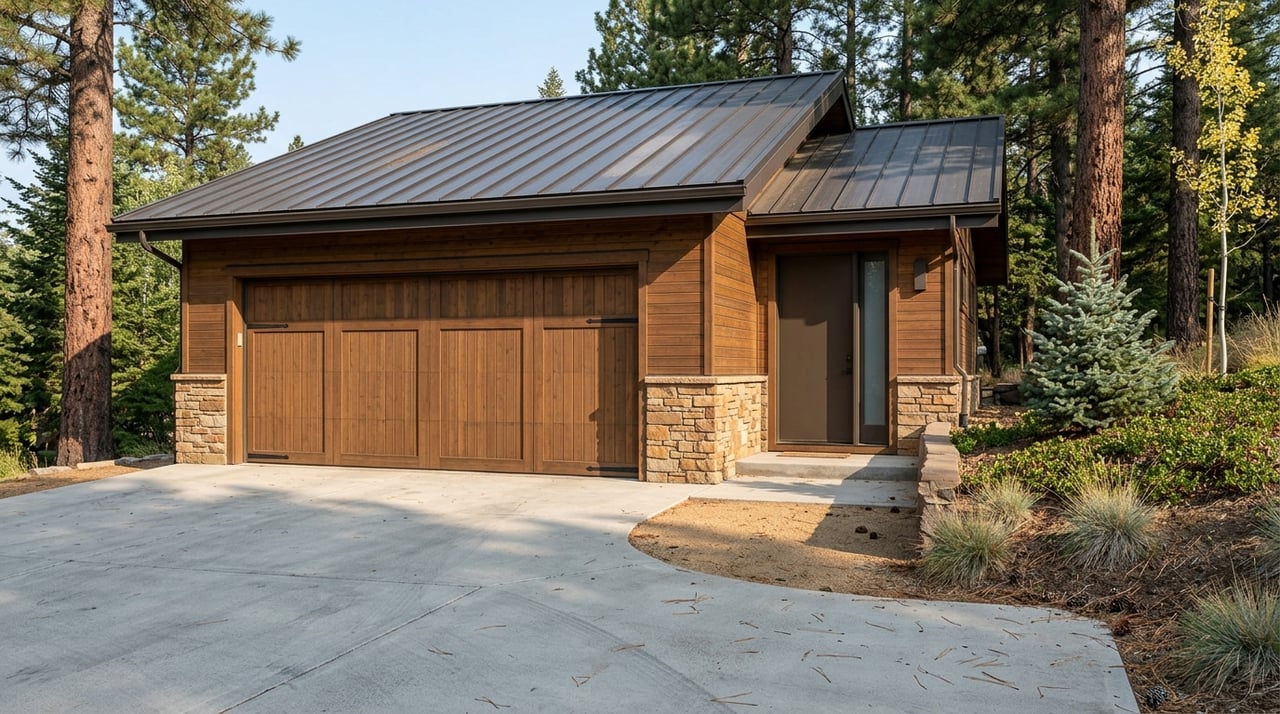
In Evergreen, garage space often carries extra weight. Buyers may need room for vehicles, tools, outdoor gear, and winter supplies. A garage that feels cramped, disorganized, or neglected can make a property seem less functional.
This is also an area where appearance and risk reduction overlap. Jefferson County’s wildfire checklist identifies garage openings as possible ember entry points. A clean, well-maintained garage can support both better showings and fewer buyer concerns.
Wildfire Readiness Is Part of the Conversation
Wildfire risk is part of life in many foothill communities, and Evergreen is no exception. Jefferson County identifies Evergreen and Conifer among the county’s highest wildfire-risk areas, and more than two-thirds of the county is in a Wildfire Hazard Overlay District. The county’s wildfire materials emphasize defensible space, fuel breaks, water supply, ingress and egress, and evacuation planning.
For sellers, this means buyers may pay close attention to how the home has been maintained. They may notice debris under decks, overgrown vegetation, clutter near the structure, vents, gutters, roof edges, and the condition of outbuildings or wood piles. Even when buyers love the property, visible mitigation issues can create hesitation.
Pre-Listing Cleanup Can Pay Off
Jefferson County’s wildfire home-assessment checklist can serve as a practical pre-listing guide. It highlights common weak points such as decks, steep slopes, roof edges, gutters, vents, and debris under decks. The checklist also notes that Class A roofs provide the best protection.
You do not need to overcomplicate this step. Often, the most helpful work is basic cleanup, maintenance, and documentation. When your exterior feels tidy and cared for, buyers are more likely to focus on the home itself instead of wondering what they will need to address after closing.
Gather Septic, Well, and Disclosure Records Early
One of the biggest ways to reduce stress during a mountain-home sale is to organize documents before the listing goes live. Evergreen properties often come with more records than a typical in-town home. If you gather those records early, you can respond faster to buyers and avoid delays.
Jefferson County states that septic systems must be inspected and a use permit obtained before sale when the OWTS was installed more than five years before the sale date. For wells, the Colorado Division of Water Resources says the well permit file contains allowable uses of the well, along with the original permit application and any construction and pump-installation records.
Key Items to Prepare
Before listing, it is smart to gather what you can for:
- Septic inspection and use permit requirements
- Well permit records and allowable uses
- Repair or maintenance records for major systems
- Wildfire mitigation work already completed
- Utility information buyers commonly request
- Property disclosure forms required in Colorado
Colorado’s Division of Real Estate lists current Seller’s Property Disclosure forms for residential transactions for use on and after January 1, 2026. The state also requires brokers to present offers in a timely manner and disclose adverse material facts actually known.
If your home was built before 1978, federal law also requires sellers of most such homes to disclose known lead-based paint information and provide the buyer a 10-day period to inspect or assess for lead hazards.
Timing Matters for Improvements
If you are planning exterior work before listing, it helps to confirm the timing and scope early. Jefferson County approved updated wildfire regulations on March 10, 2026, with an effective date of July 1, 2026. The county FAQ states that in some cases, properties in the Wildland Urban Interface Overlay District above 6,400 feet may need a defensible-space permit for wildfire-mitigation work.
The county also notes that new structures, replacements, and additions, including decks, require defensible-space review before a building permit in covered areas. If your pre-sale plans include larger projects, getting clarity early can help you avoid delays or incomplete work right before your home hits the market.
What a Strong Evergreen Listing Usually Includes
The most effective Evergreen listings usually do a few things very well. They combine realistic pricing, polished visuals, clear access information, usable outdoor presentation, and organized records. That combination helps buyers feel both inspired and informed.
In other words, selling a mountain home here is not about hiding the realities of foothill living. It is about showing buyers that the home has been thoughtfully prepared, honestly represented, and positioned for the way people actually live in Evergreen.
When you work with a team that understands both presentation and local market details, you can tell that story more clearly. If you are getting ready to sell in Evergreen, Lifestyle International Realty Colorado can help you position your property with a hospitality-driven approach, polished marketing, and local foothill insight.
FAQs
What makes selling a mountain home in Evergreen different from selling in Denver metro?
- Evergreen buyers often focus more heavily on winter access, wildfire readiness, outdoor usability, slopes, private road issues, and septic or well documentation than buyers in a typical metro-area transaction.
How should you price a home for sale in Evergreen, Colorado?
- Pricing should be based on Evergreen and foothill comparables, property condition, lot usability, and mountain-specific features rather than relying on broad Denver metro averages.
What do buyers look for when touring an Evergreen mountain home?
- Buyers commonly evaluate driveway access, parking, turnaround space, garage function, outdoor living areas, views, wildfire mitigation, and the availability of septic and well records.
Do you need a septic inspection before selling a home in Evergreen?
- Jefferson County says a septic system must be inspected and a use permit obtained before sale when the OWTS was installed more than five years before the sale date.
Why are listing photos so important for an Evergreen home sale?
- Many buyers begin online, and strong photos help them understand the home’s setting, approach, views, and mountain-lifestyle features before they ever schedule a showing.
Should you do wildfire cleanup before listing a home in Evergreen?
- Basic cleanup and maintenance can help because buyers may notice items like debris under decks, overgrown vegetation, garage condition, gutters, vents, and other exterior features tied to wildfire readiness.
What records should you gather before listing a home in Evergreen, Colorado?
- Helpful records include septic documents, well permit information, major system records, wildfire mitigation details, utility information, and current Colorado seller disclosure forms.