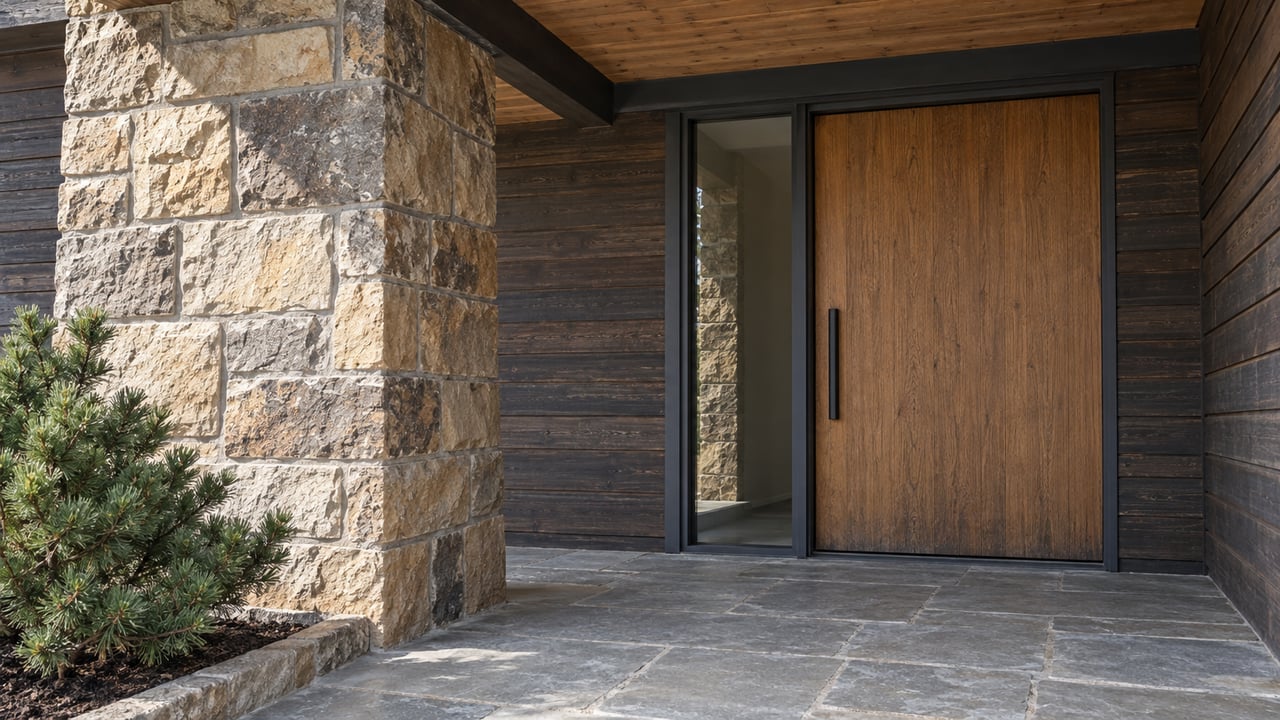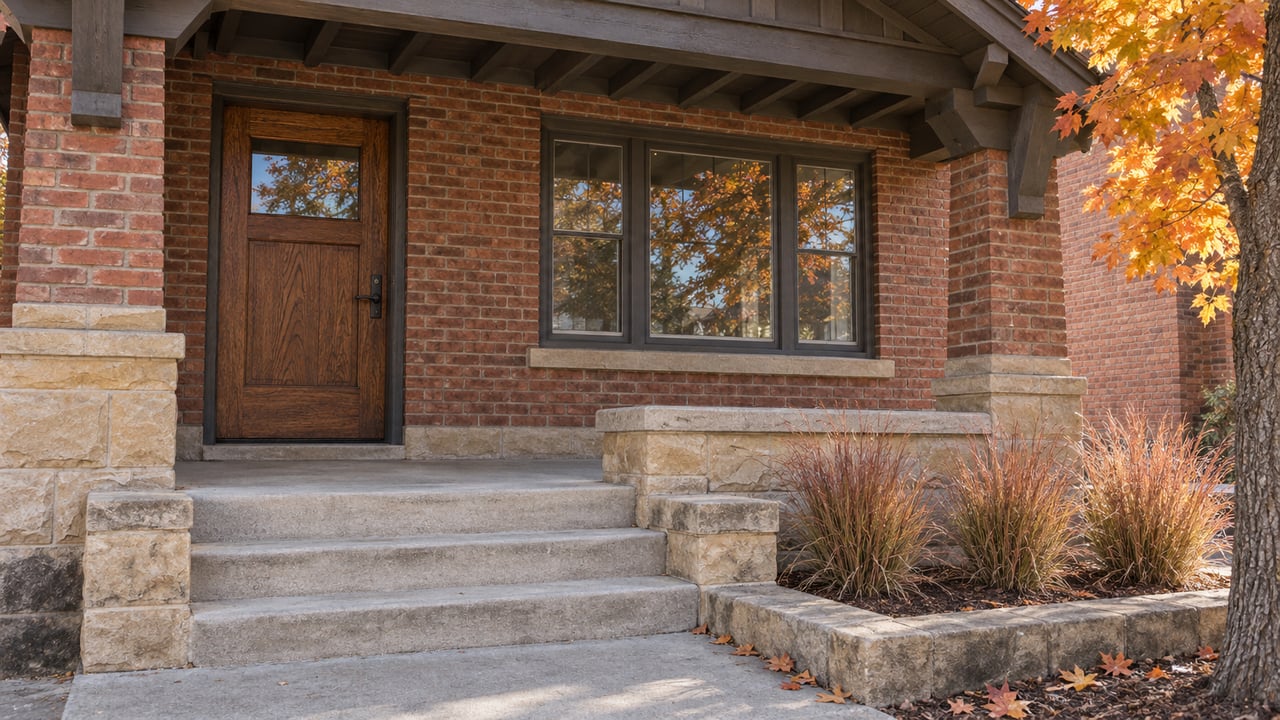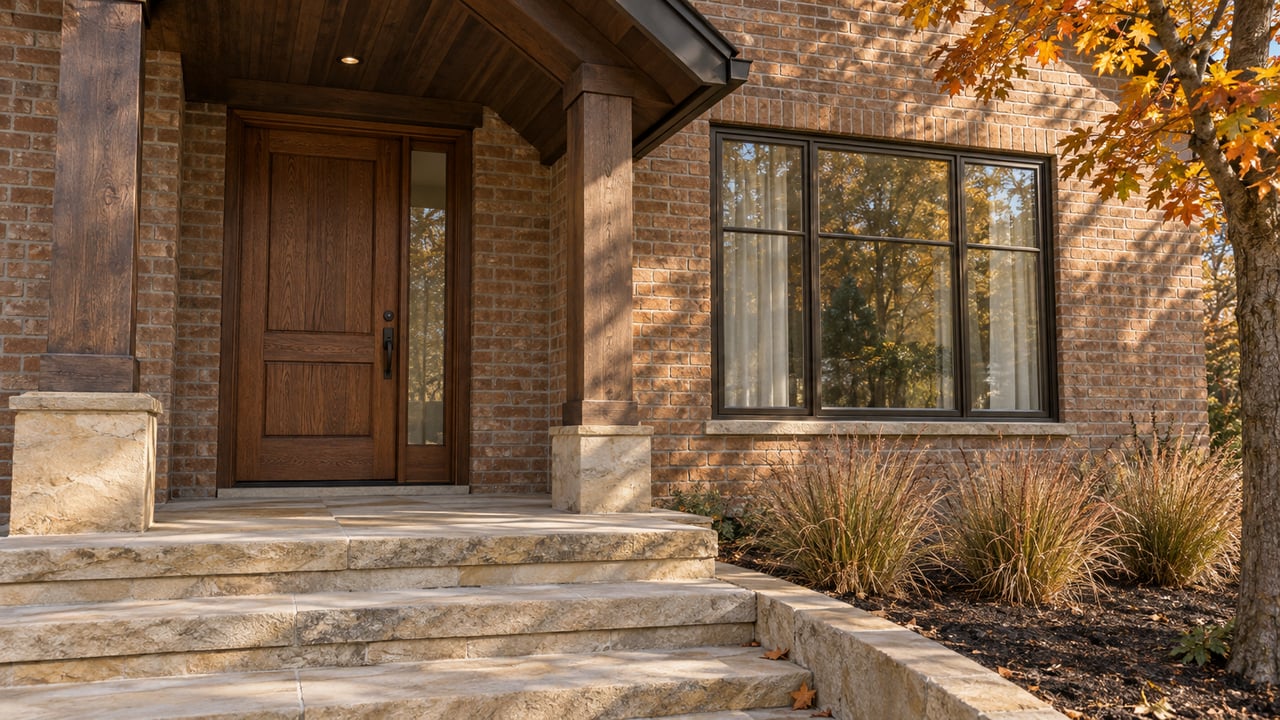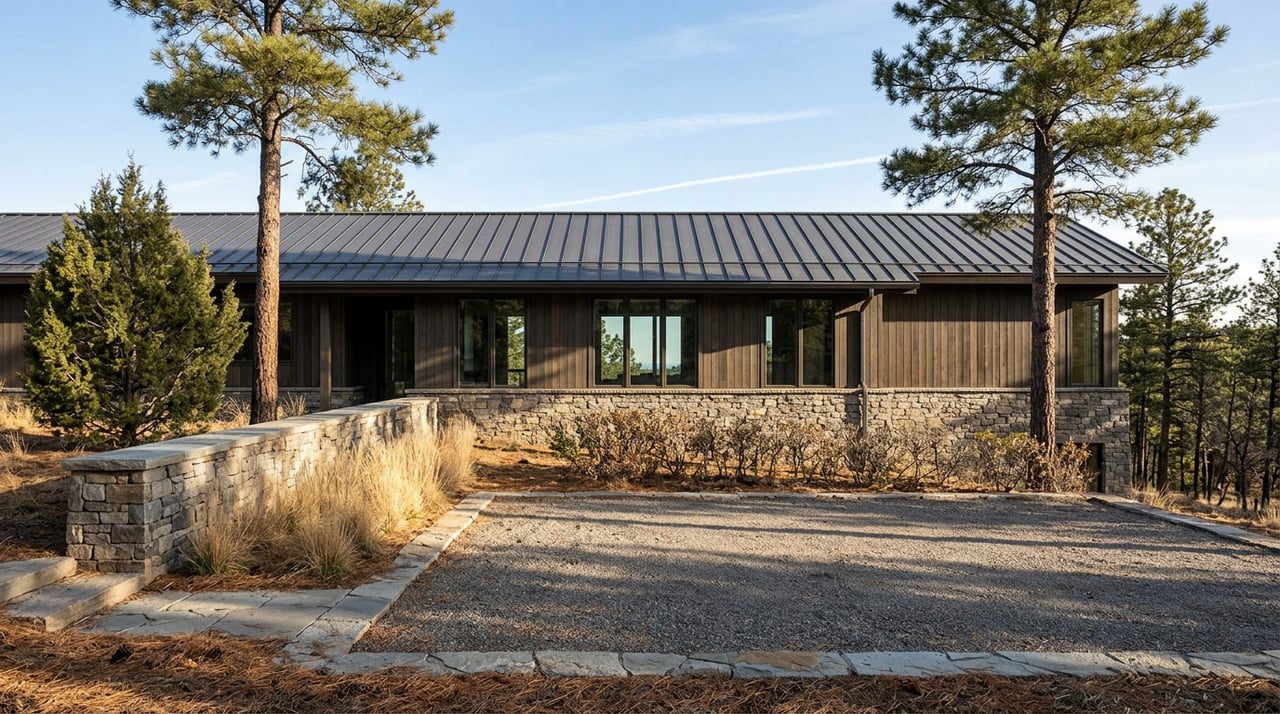
Picture two listings side by side. Both in the foothills west of Denver, both priced right around $900,000, both with the kind of mountain views that make people leave the flatlands in the first place. One comes with a folder: photos of cleared brush, a receipt for a Class A roof, a signed-off defensible space inspection. The other comes with nothing but the MLS sheet. As of this year, those two homes are no longer treated the same way by the people who write the insurance policy, and that gap can run into thousands of dollars a year.
That's the part the median price doesn't tell you. And as of July 1, 2026, it's now written into Colorado law.
The Rule That Changed Underwriting, Not the Market
For years, wildfire mitigation in the foothills was mostly a matter of pride and common sense. You cleared your defensible space because it was the right thing to do, and maybe your insurance agent nodded approvingly. Whether it actually moved your premium was murky and inconsistent from carrier to carrier.
House Bill 25-1182 changed that. Signed in 2025 and effective July 1, 2026, the law requires any insurer using a wildfire risk model to disclose that model, provide homeowners with a written wildfire risk score, and either factor documented mitigation into their pricing or offer a discount for it. For the first time, upgrades like ember-resistant vents, a Class A roof, and cleared defensible space have to be financially recognized by the carrier, not just noted and ignored.
The same week, Jefferson County's own Wildfire Resiliency Code took effect for any building permit applied for on or after July 1, 2026, layered on top of the county's existing rule, which LAM Tree says requires a Defensible Space Permit for properties above 6,400 feet in elevation, which covers the overwhelming majority of Evergreen and Conifer. The code isn't retroactive. If you already live in your home and aren't pulling a permit for new construction or a major exterior remodel, nothing forces your hand today. But the moment you build, add on, or re-side, the new Wildland Urban Interface standards apply, and the resulting paperwork is exactly what insurers now have to weigh under HB25-1182.
Put those two rules together and you get a market where the paperwork attached to a house has become a financial asset in its own right. Two nearly identical properties can carry very different carrying costs for reasons that never show up in a listing photo.
What Evergreen and Conifer Actually Cost Right Now
Before the insurance conversation makes sense, it helps to see what the raw price numbers are doing, and where they disagree with each other.
| Evergreen | Conifer | |
|---|---|---|
| Median prices, varying periods and measures | roughly $888,000 to $1.04M depending on source | roughly $800,000 to $809,000 depending on source |
| Median price per square foot | roughly $378 to $388 | roughly $333 to $350 |
| Typical days on market | 20 to 69 days depending on source | 27 to 34 days |
Notice the spread. Redfin's three-month figure for Evergreen sits near $888,000, while Movoto's July 2026 read puts the median list price above $1 million and Zillow's home value index tracks closer to $872,000 to $892,000, actually down slightly year over year. That's not sloppy data, it's three different methodologies measuring three different things: sold prices, list prices, and a modeled valuation index. If you're comparing Evergreen and Conifer using a single number pulled from a single site, you're likely comparing apples to a rough estimate of an orange.
What the numbers agree on is direction and gap. Conifer runs meaningfully cheaper per square foot than Evergreen, and both markets are moving with more days on market than they did a year ago, which suggests buyers currently have more room to negotiate than the headline prices alone would suggest.
None of that gap is insurance-related. It's proximity to downtown Evergreen's shops and restaurants, lot size, and general demand. The insurance variable sits on top of it, and it doesn't track neatly with either town's median price.
The Bill That Doesn't Show Up on Zillow
Colorado is now the sixth most expensive state in the country for homeowners insurance, with the statewide average premium for a standard $300,000 coverage policy landing around $4,072 a year, an increase of nearly 58 percent since 2018. That's the baseline. In the foothills, the number moves considerably.
Jefferson County communities including Evergreen, Conifer, Morrison, and Genesee face what carriers describe as selective underwriting, meaning most companies require a property inspection and mitigation verification before they'll even quote a policy. Premiums in these zones commonly run $4,500 to $8,500 annually, and some properties clear $10,000. For homes that can't get standard coverage at all, Colorado's FAIR Plan, the state's insurer of last resort, typically runs $4,300 to $5,500 for basic fire and wind and hail coverage, with narrower terms than a standard policy.
That's a swing of several thousand dollars a year between a well-documented, mitigated property and one that shows up to underwriting with nothing on file. On a 30-year mortgage, the difference in insurance alone can outweigh a meaningful chunk of the price gap between an Evergreen listing and a comparable one in Conifer.
The mitigation work itself isn't exotic. Evergreen Fire Rescue offers free site visits where trained personnel walk a property and hand the owner a prioritized list of what actually needs attention, which is often the cheapest and fastest way to start building the documentation file a carrier now has to consider. Some Evergreen neighborhoods participate in Firewise USA, the national recognition program that formalizes neighborhood-level mitigation work. None of it guarantees a lower quote, but under HB25-1182, undocumented work simply isn't worth as much to an insurer as documented work, so the paper trail has become part of the asset.
What This Means If You're Weighing Evergreen Against Conifer
If you're comparing these two towns on price alone, you're missing half the math. A few things worth carrying into the conversation with a lender or agent:
Ask for the mitigation history before you fall in love with the view. A seller who can hand over inspection records, defensible space documentation, and receipts for a Class A roof is handing you a real number, not a nice gesture. Under the new disclosure rule, that paperwork is what determines whether your quote lands near the state average or near the high end of the foothills range.
Factor in access, not just acreage. Conifer's daily commute runs through Highway 285, where a long-planned interchange at Kings Valley Drive has been shelved indefinitely due to funding shortfalls, even as traffic counts on that stretch climbed from around 6,800 vehicles a day in 2016 to more than 18,000 by late 2025. Evergreen's own infrastructure investment looks different this year: a resurfacing project on Highway 74 is running through fall 2026, following the completed Highway 73 corridor work that wrapped in spring 2026, alongside upgrades to the town's water treatment plant and the Evergreen Lake Dam outlet works. Neither town's road situation is a dealbreaker, but they're different kinds of friction, and they're worth weighing against whatever insurance gap you're already budgeting for.
Don't assume permit-free living forever. The Wildfire Resiliency Code isn't retroactive, but it will apply the day you pull a permit for an addition, a rebuild, or significant exterior work. If a mountain property is on your list because you're planning to renovate, price the code's requirements into your plan now rather than discovering them mid-project.
A Few Questions Worth Asking Directly
Does the new Jefferson County code mean I have to retrofit my current home? No. If you're simply living in an existing home and not pulling a permit for new construction or major exterior work, the code doesn't require any immediate changes. It applies going forward, tied to permits, not to existing ownership.
Is defensible space work the same thing as an insurance discount? Not automatically. Defensible space is a land-use and building code requirement. HB25-1182 is the piece that requires insurers to factor documented mitigation into their pricing or offer a discount for it. The two rules work together, but one doesn't guarantee the other without the paperwork to connect them.
Does a lower price per square foot in Conifer mean lower total costs? Not necessarily. A lower purchase price can be offset by a higher insurance quote if the property lacks documented mitigation, or by road and commute friction that a spreadsheet won't capture. The full comparison has to include both numbers.
Whichever town fits your life better, the conversation about what a house actually costs to own now includes a folder of paperwork that didn't matter as much a year ago. That's the kind of detail worth walking through with someone who watches this market week to week, not just the week you're shopping.
If you're weighing Evergreen against Conifer, or trying to understand what a specific property's mitigation history actually means for your long-term costs, Lifestyle International Realty Colorado can walk you through both sides of the comparison. Get Your Instant Home Valuation and let's talk about what the numbers actually mean for your move.
This article is general information, not legal, tax or financial advice. Consult a qualified professional about your situation.