Thinking about selling your home in Littleton? You are not alone, and you are also not stepping into a one-size-fits-all market. With a mix of older homes, attached properties, historic areas, and newer infill, selling here takes more than putting a sign in the yard. This guide walks you through each step, so you can prepare wisely, price with confidence, and move from listing to closing with fewer surprises. Let’s dive in.
Understand the Littleton market
Before you make repairs or pick a list date, it helps to know what kind of market you are entering. According to the January 2026 SMDRA city snapshot for Littleton, the area had 286 new listings, 139 sold listings, a median sold price of $615,000, and 51 days on market.
That tells you the market is active, but not so fast that presentation and pricing stop mattering. Buyers have options, which means your home needs to stand out for the right reasons.
Littleton also has a varied housing mix. The city’s comprehensive plan appendix reports that 71.7% of housing units are at least 30 years old, with a blend of detached homes, attached homes, and a small share of mobile homes. In practical terms, buyers may pay close attention to condition, updates, and how your home compares to others in the same property type.
Step 1: Choose your selling strategy
A strong sale usually starts with a plan. That means deciding when you want to move, what work the home needs, and how much support you want during pricing, marketing, negotiations, and contract deadlines.
The National Association of REALTORS® consumer guide notes that sellers should choose the REALTOR® who best fits their needs. When you interview agents, ask about recent comparable sales, micro-neighborhood trends, timing, marketing approach, and how they would position a home like yours in Littleton.
This matters even more in a place like Littleton, where one block may feature classic cottages and another may have mid-century or attached housing. A smart pricing and marketing plan should reflect your home’s style, condition, and location, not just a citywide average.
Step 2: Build your pre-listing timeline
Selling tends to go more smoothly when you start early. Give yourself time to gather documents, handle repairs, and prepare the home for photos and showings.
A simple pre-listing timeline often looks like this:
- 6 to 8 weeks out: interview agents, review pricing, plan repairs
- 4 to 6 weeks out: declutter, deep clean, and schedule any contractors
- 2 to 4 weeks out: complete touch-ups, staging, and photography prep
- 1 to 2 weeks out: finalize disclosures, HOA documents if needed, and launch listing materials
If you hope to sell during the busiest season, planning ahead matters even more. NAR seasonal market analysis shows that April through June is typically the strongest window nationally, though the West tends to be less seasonally volatile. That means Littleton homes can sell year-round, but spring and early summer often bring the broadest buyer pool.
Step 3: Consider a pre-sale inspection
A pre-sale inspection is optional, but it can be very useful. According to NAR’s guide for sellers, an inspection may review the structure, roof, exterior, plumbing, electrical, heating and cooling, insulation, fireplaces, and possible health-related issues such as mold, radon gas, lead paint, and asbestos.
In Littleton, that can be especially relevant because much of the housing stock is older. If your home was built decades ago, a pre-sale inspection can help you uncover issues before a buyer does. That gives you more time to repair the problem, disclose it clearly, or adjust your pricing strategy.
Step 4: Make repairs that support the sale
Not every repair adds the same value. Focus first on items that affect financing, safety, condition, or buyer confidence.
You may want to prioritize:
- Roof or gutter issues
- Plumbing or electrical concerns
- HVAC problems
- Damaged flooring or walls
- Broken windows, doors, or fixtures
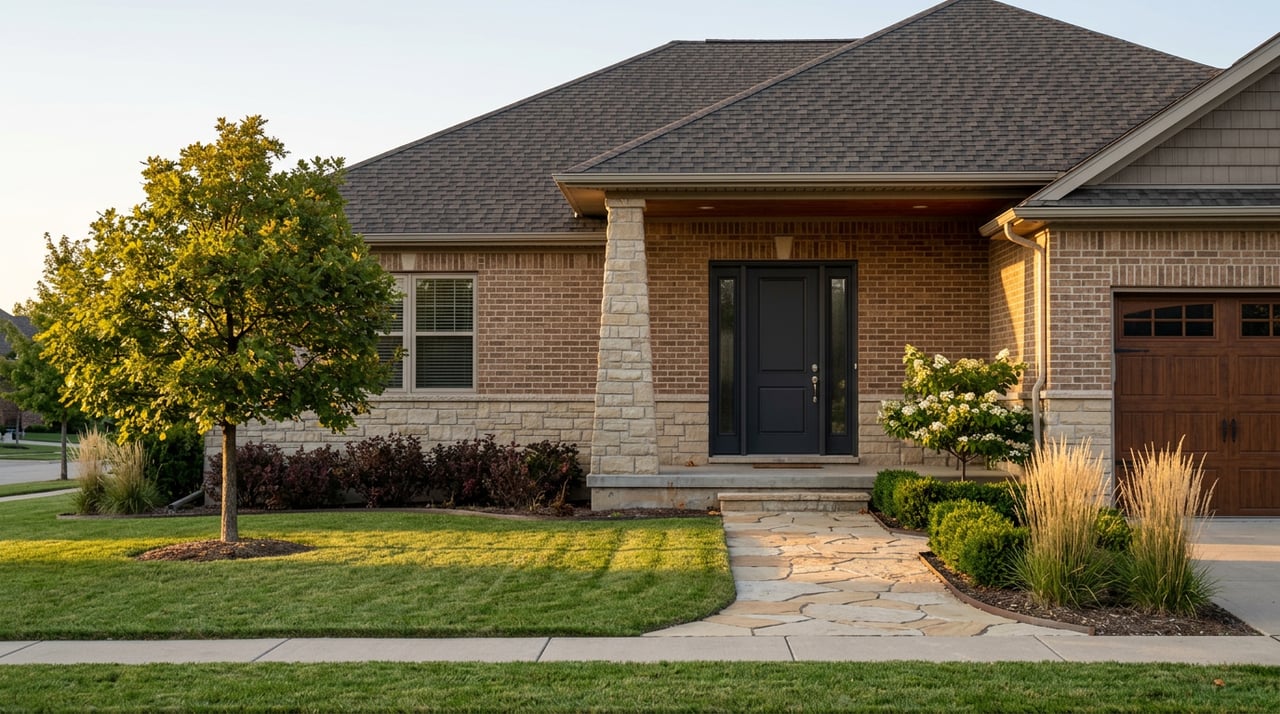
- Exterior maintenance that affects curb appeal
For cosmetic prep, NAR recommends cleaning windows, carpets, lighting fixtures, and walls, along with decluttering and improving curb appeal. These smaller improvements can make a strong first impression online and in person.
If your home is a designated landmark or located in a historic district, be careful with exterior work. The City of Littleton Historic Preservation program says exterior alterations and additions may require city review and approval. If that applies to your property, build extra time into your schedule before listing.
Step 5: Gather your documents early
A home sale involves paperwork, and in Colorado, many steps are form-driven. The Colorado Division of Real Estate lists current approved forms including the Seller’s Property Disclosure, Seller’s Property Disclosure Supplement, Lead-Based Paint Disclosures, Inspection Objection Notice, Inspection Resolution, and Closing Instructions.
The takeaway is simple: deadlines matter. Having your disclosures and supporting documents ready early can help reduce delays once your home goes under contract.
If your property is in an HOA, start gathering association materials as soon as possible. The Colorado Division of Real Estate HOA FAQ explains that there is no central repository for HOA governing documents. That means collecting current rules, dues information, and related paperwork can take time.
If your home was built before 1978, federal disclosure rules may also apply. The EPA and HUD lead-based paint disclosure rule requires sellers of most pre-1978 homes to disclose known lead-based paint and lead-hazard information and provide the required pamphlet before the sale becomes enforceable.
Step 6: Price your home with local precision
Pricing is one of the most important decisions you will make. Price too high, and you may lose momentum. Price too low, and you may leave value on the table.
In Littleton, accurate pricing should go deeper than the citywide median. Because the area includes detached homes, attached homes, historic properties, and mixed-character areas near Downtown, the strongest pricing strategy usually relies on recent comparable sales in the same property type and micro-neighborhood.
That local lens matters. The city notes that some central areas near Downtown and Littleton Boulevard have a more mixed, urban residential character with access to parks, shopping, and other amenities. In those areas, buyers may weigh block feel, nearby amenities, and architectural character alongside square footage.
Step 7: Stage for photos and showings
You do not have to fully redesign your home to make it market-ready. Even simple staging can help buyers picture how the space lives.
According to NAR’s 2025 staging report, 49% of sellers’ agents said staging reduced time on market, and 29% said it increased the dollar value offered by 1% to 10%. The most commonly staged rooms were the living room, primary bedroom, dining room, and kitchen.
Start with the spaces buyers notice first:
- Entry and front exterior
- Living room
- Kitchen
- Primary bedroom
- Dining area
- Main bathrooms
Keep décor simple, surfaces clear, and traffic flow open. In a market like Littleton, where homes can vary widely in age and style, good presentation helps buyers focus on the home’s strengths rather than distractions.
Step 8: Launch with strong marketing
Once the home is ready, your listing launch should create a polished first impression. High-quality photography, accurate property details, and compelling marketing matter because many buyers will meet your home online before they ever schedule a showing.
This is where professional presentation can make a real difference. A well-marketed listing should highlight your home’s features, condition, layout, and neighborhood context in a clear, honest way. For some Littleton homes, that may mean emphasizing architectural character. For others, it may mean showcasing updates, outdoor space, or convenience to local amenities.
Step 9: Review offers beyond price alone
The highest offer is not always the strongest offer. When offers come in, look at the full picture.
According to NAR’s guide to real estate contract contingencies, buyers may include contingencies related to financing, appraisal, inspection, or the sale of another home. You will want to compare:
- Offer price
- Type and strength of financing
- Earnest money
- Inspection terms
- Appraisal terms
- Requested concessions
- Closing timeline
- Any special occupancy needs
A clean, well-supported offer may put you in a better position than a higher number with more risk attached. This is one area where clear guidance can help you avoid costly surprises.
Step 10: Prepare for inspection negotiations
After you accept an offer, the process is not over. Buyers often schedule inspections and may come back with objections or requests.
In Colorado, this stage is formalized through state forms such as the Inspection Objection Notice and Inspection Resolution. Be ready to negotiate repairs, credits, or another solution within the contract deadlines.
If you handled a pre-sale inspection and addressed key issues early, this step may feel more manageable. Even so, inspection negotiations are common, especially with older homes.
Step 11: Move from contract to closing
Once inspection issues are resolved, the sale continues through several final steps. NAR explains that the transaction usually moves through escrow, appraisal, and title search before closing.
A title search checks for liens or other issues that could affect ownership. At closing, the deed transfers ownership to the buyer. This contract-to-close period can take several weeks or more, depending on financing and scheduling.
If you need extra time in the home after closing, Colorado also has a Post-Closing Occupancy Agreement among its approved forms. That can be helpful if your next move does not line up perfectly with your closing date.
Littleton sellers: what matters most
If you want the short version, here it is: Littleton rewards preparation. With older housing stock, varied home styles, and neighborhood differences from one area to the next, the best results usually come from thoughtful pricing, strong presentation, and early paperwork.
You do not need a perfect house to sell well. You do need a clear plan, realistic expectations, and guidance that fits your home and your timeline.
When you are ready to sell, Lifestyle International Realty Colorado can help you create a strategy that matches your goals, your property, and your next move.
FAQs
What is the current home selling pace in Littleton?
- Based on the January 2026 SMDRA market snapshot for Littleton, the median days on market was 51, which suggests pricing and presentation still matter.
Do Littleton homeowners need a pre-sale inspection before listing?
- No. NAR says a pre-sale inspection is optional, but it can help uncover issues before a buyer does.
Do older homes in Littleton need lead-based paint disclosure?
- If the home was built before 1978, the EPA and HUD disclosure rule may require sellers of most homes to disclose known lead-based paint and provide the required information pamphlet.
Do HOA homes in Littleton require extra paperwork to sell?
- Yes. The Colorado Division of Real Estate says there is no central repository for HOA governing documents, so sellers should gather association paperwork early.
Do historic homes in Littleton need approval for exterior changes before listing?
- Possibly. The City of Littleton Historic Preservation program says designated landmarks and properties in historic districts may need city review and approval for exterior alterations and additions.
Is spring the best time to sell a home in Littleton?
- Generally, yes. NAR’s seasonal analysis shows spring and early summer are usually the busiest selling seasons, though homes in Littleton can sell year-round with the right pricing and presentation.