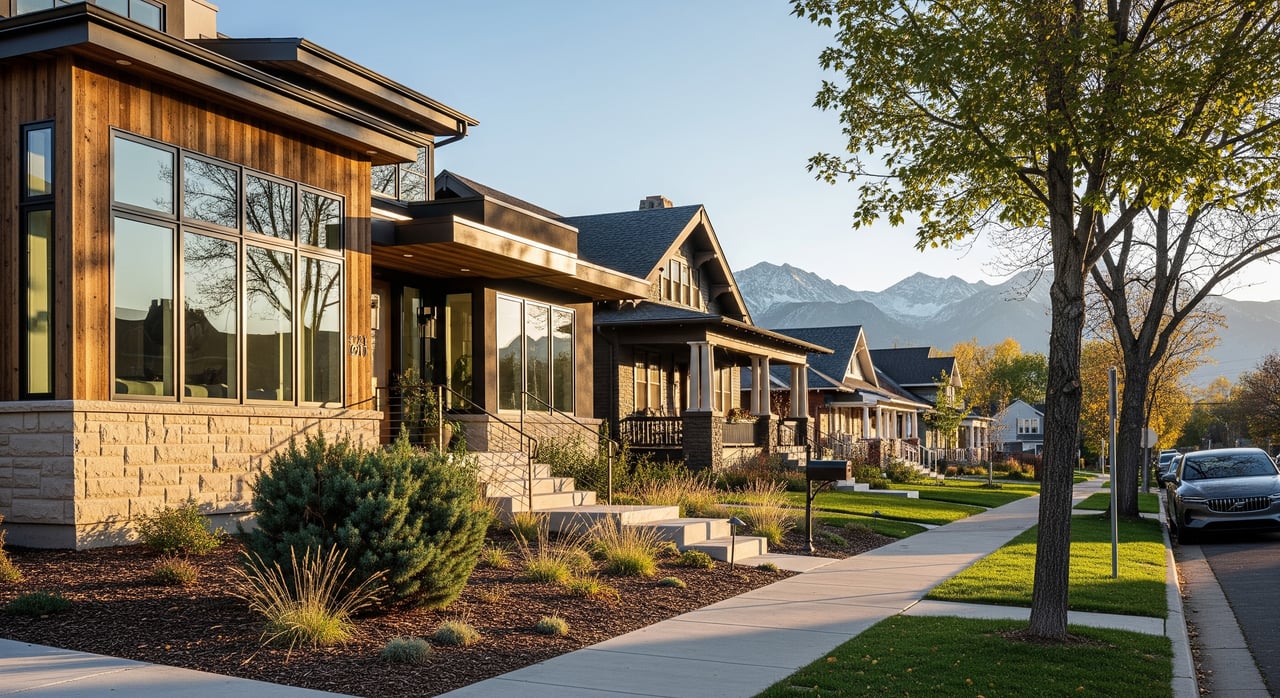
Wondering what everyday life really feels like in Denver? You hear about mountain views and craft coffee, but you want to know how neighborhoods live from Monday morning to Friday night. You also want clarity on housing styles, commutes, and the trade-offs that shape daily routines. This guide walks you through neighborhood vibes, common home types, and practical steps to find the best fit for your lifestyle. Let’s dive in.
Denver’s daily feel
Denver’s central neighborhoods feel walkable and energetic. You’ll see condos and lofts near offices, restaurants, and transit, plus a steady rhythm of after-work dining and nightlife. Commutes are short if you work downtown, and errands often happen on foot.
Transition areas blend older single-family homes with newer townhomes and small condos. These streets are quieter at night yet still close to dining corridors and parks. You get a mix of space, character, and access.
Outer and edge neighborhoods lean toward larger single-family homes and bigger lots. You’ll likely rely more on your car for shopping and school routines, and you gain yard space and newer construction perks. Several corridors are changing fast, so you may see new apartments and retail arriving alongside historic buildings.
Neighborhood vibes at a glance
Lower Downtown and Union Station
Expect a high-energy lifestyle with high-rise and loft condos, office towers, hotels, and a major transit hub. You can walk to restaurants, gyms, and the light rail or commuter rail. It is ideal if you want minimal commute time and a true urban setting.
RiNo - River North Art District
Once industrial, now filled with creative studios, breweries, and popular restaurants. New residential buildings continue to rise, and nightlife is active. Parking can be tight, so many residents lean on rideshare, scooters, or bikes.
Capitol Hill and Cheesman Park
Dense streets, older apartment buildings, and historic rowhouses create a classic city feel. You’ll find museums, music venues, and the green space of Cheesman Park nearby. Many apartments are older, which can offer character along with smaller storage.
Cherry Creek and Cherry Creek North
You’ll be close to upscale shopping and dining. Housing includes luxury condos and single-family homes just east of the core retail district. It works well if you prioritize convenience, boutique retail, and dining.
Highlands and LoHi
Trendy and walkable with boutique shops, cafes, and renovated Victorian cottages mixed with newer infill. The commute downtown is short, and weekend mornings start with coffee, brunch, and local parks. Expect a steady flow of visitors during peak dining hours.
Washington Park
Tree-lined streets surround one of the city’s signature parks. Bungalows and period homes are common, and outdoor time is part of the routine. The neighborhood retail is cozy and geared toward everyday errands and recreation.
Park Hill
Known for larger lots and a wide range of housing ages. You’ll find strong local institutions and community activity. The daily rhythm centers on neighborhood streets, nearby parks, and accessible retail corridors.
Sloan’s Lake
Denver’s large urban lake anchors this area with sweeping skyline views. You’ll see mid-century homes alongside modern condos and townhomes. Biking the loop and sunset strolls are part of the appeal.
Central Park
A master-planned community east of downtown with newer single-family homes, parks, and schools. It is more car-dependent than inner neighborhoods, with planned open spaces that support daily recreation. Commutes vary based on destination, and many trips happen by car.
South Broadway and Baker
Eclectic energy defines this corridor with music venues, thrift shops, and coffeehouses. Housing is a mix of single-family homes and duplexes, plus smaller buildings. It draws residents who value character and an independent retail scene.
University areas
Near the University of Denver and the Auraria campus, you’ll find student-oriented housing alongside small owner-occupied homes. Activity ebbs and flows with the academic calendar. Retail focuses on casual dining and services.
Housing styles and daily life
High-rise condos and lofts
You get low-maintenance living with possible amenities such as a doorman, gym, and structured parking managed by HOA policies. It fits if you want to prioritize location over a large private yard. Weigh HOA fees, limited outdoor space, and evening noise in entertainment districts.
Mid-rise and low-rise condos
Often in older buildings with character, these homes offer urban access at a more approachable price point. Storage and parking can be limited. Commutes are shorter and errands are often walkable.
Townhomes and rowhouses
These homes bridge the gap between condos and single-family living. You’ll often have multiple floors, a small footprint, and sometimes a garage. They suit you if you want extra space while staying near the core.
Older single-family homes
Victorians, bungalows, and craftsman homes provide yards, storage, and garages. Many buyers love the charm and community feel. Plan for maintenance or renovation needs that come with age.
Newer single-family subdivisions
You’ll often get larger interiors, modern systems, and planned amenities. Daily life is more car-dependent for groceries, school drop-offs, and commuting. This option fits if you want room to grow and newer construction standards.
ADUs and duplexes
Accessory dwelling units and duplexes are gaining traction where zoning allows. They can create rental income or offer a multigenerational setup. Check local policies if you plan to rent or expand.
Commute, transit, and getting around
Denver’s Regional Transportation District operates bus routes and light rail lines throughout the metro. Union Station is the multimodal hub for many routes. The A Line connects downtown to Denver International Airport, which is helpful for frequent flyers.
You’ll find a growing network of bike lanes and regional trails like Cherry Creek and South Platte. Many residents bike seasonally to work or for errands. Driving is straightforward on the grid, though you should expect congestion on corridors such as I-25, I-70 near downtown, and I-225 during peak hours.
In downtown and close-in neighborhoods, scooters, e-bikes, and ride-hailing are common. Street parking can be permit-based, and garages may come at an added cost. If car ownership matters most, review a building’s parking policies or neighborhood permit rules before you decide.
Daily amenities and outdoors
You’ll have access to a wide park network that includes City Park, Washington Park, Cheesman Park, and Sloan’s Lake. The Cherry Creek and South Platte trails make it easy to bike, run, or commute under your own power. On weekends, you can reach Front Range trailheads within 30 to 90 minutes depending on traffic and destination.
Grocery options span major chains and local co-ops, with dense areas sometimes offering multiple stores nearby. Healthcare hubs like UCHealth and Denver Health are centrally located, with urgent care and clinics in neighborhood retail strips. For arts and food, you’ll see strong clusters in RiNo, LoDo, Highlands, and South Broadway.
For schools, Denver Public Schools and several charter networks serve the city. School performance and programs vary, so review boundaries and enrollment policies for any neighborhood you consider. Private and parochial schools are also available in many areas.
Regarding safety, patterns vary by neighborhood and even by block. Entertainment districts can log more nightlife-related incidents, while quieter areas may still see property crime. Neighborhood watch groups and local business districts contribute to community safety efforts.
Quick match guide
- Walkability and nightlife: LoDo, RiNo, Highlands, Capitol Hill. Consider condos, lofts, or nearby townhomes.
- Balanced access and quieter streets: Baker, Congress Park, Hilltop, Park Hill, Washington Park. Look at townhomes and older single-family homes.
- Space and newer construction: Central Park and select outer neighborhoods. Focus on newer single-family homes with planned amenities.
- Waterfront feel and views: Sloan’s Lake. Explore mid-century homes, modern townhomes, and newer condos.
- Upscale retail and dining: Cherry Creek and Cherry Creek North. Compare luxury condos and single-family homes close to the core.
- Academic energy and convenience: University areas. Expect a mix of rentals and small owner-occupied homes.
What to budget beyond the mortgage
- HOA fees for condos and some townhomes.
- Parking costs or building policies, including street permits in older neighborhoods.
- Utilities that can vary with home age and efficiency.
- Snow removal or lawn care for single-family homes, especially in HOA-managed communities.
- Property tax differences by neighborhood and district.
- Maintenance or renovation costs for older homes.
First steps to find your fit
- List your top three priorities such as commute time, walkability, or yard space.
- Map your commute during peak hours to test real travel times.
- Review transit options near your likely routes and check nearby bike paths.
- Visit neighborhood retail corridors and parks at different times of day.
- If you are eyeing a condo or townhome, ask to review HOA documents early.
- Confirm building parking rules and any neighborhood permit requirements.
- For schools, review boundary maps, programs, and enrollment details.
Ready to explore homes?
Finding the right Denver neighborhood is about daily routines as much as price and square footage. Whether you want a quick downtown commute, a quiet block near a park, or a newer home with more space, you have strong choices across the city. If you are relocating or planning a move, a guided neighborhood tour and an organized home search can save you time and stress.
Let’s make your next step simple. Connect with the local, hospitality-driven team at Lifestyle International Realty Colorado to compare areas, tour homes, and align your purchase with your lifestyle goals.
FAQs
How walkable are central Denver neighborhoods?
- Many central areas such as LoDo, RiNo, Capitol Hill, and Highlands offer strong walkability to dining, retail, and transit with short commutes for downtown workers.
What commute times can I expect from inner neighborhoods?
- Depending on destination and mode, many inner-neighborhood commutes range from about 20 to 40 minutes, with shorter trips if you live and work near downtown.
Which neighborhoods have newer single-family homes?
- Central Park and select outer neighborhoods often feature newer single-family homes, planned parks, and community amenities with more car-dependent routines.
What should I know about condo HOAs in Denver?
- Expect monthly fees, rules on parking and amenities, and condo-specific lending requirements; review HOA documents early to understand costs and policies.
How close is outdoor recreation to the city?
- City parks and regional trails are nearby, and Front Range foothill trailheads are typically 30 to 90 minutes west of downtown, depending on the destination and traffic.