Thinking about trading Denver’s bustle for Colorado Springs’ breathing room? You are not alone. Many households are weighing value, commute, and lifestyle as they consider a move down the Front Range. In this guide, you’ll see how prices and rents compare in early 2026, what your housing dollar buys, commute realities, and practical tips if you plan to sell or rent out your Denver home. Let’s dive in.
Colorado Springs vs. Denver: Market snapshot
Understanding the numbers helps you set expectations and budget with confidence. Here is where things stand based on the latest available data.
Prices and values
- Denver metro median sale price. The Denver Metro Association of Realtors reported a median sale price around $569,500 in January 2026 for the 11‑county region. You can review the figures in the DMAR January 2026 Market Trends Report.
- Colorado Springs/Pikes Peak area. Local MLS reporting highlighted a milestone when the region’s single‑family median reached $500,000 in June 2025, according to coverage of Pikes Peak MLS data in the local press. See the context in this Gazette summary of the Pikes Peak region’s price trends. National aggregator estimates for El Paso County placed typical home values around the mid‑$400Ks in early 2026. Methodology varies, which explains the differences.
What this means for you: median prices in the Springs have been tracking below metro Denver through early 2026, which often translates to more square footage or land for your budget in El Paso County.
Rents
- City medians in March 2026. Apartment List reported about $1,573 per month in Denver and about $1,322 per month in Colorado Springs. You can explore the city‑level rent trends on Apartment List’s Denver page. Actual rent depends on the neighborhood and unit type, but this spread shows potential monthly savings if you are renting in the Springs.
Inventory and balance
- Denver entered 2026 with higher active listings relative to prior years, creating a more balanced or even buyer‑leaning feel in several submarkets, per the DMAR January 2026 report.
- In the Pikes Peak region, active listing counts were elevated through mid‑2025, contributing to a more balanced environment compared with earlier years. Regional research has tracked these shifts and the local demand drivers. For broader context on Colorado Springs’ economy and housing demand, see the UCCS Economic Forum’s recent report.
What your housing dollar buys
Colorado Springs and Denver offer different mixes of homes and neighborhoods. These patterns help explain why many buyers find more detached single‑family options in El Paso County.
Ownership and values. According to the Census Bureau’s QuickFacts 5‑year window, Denver County’s owner‑occupied rate is about 48.8% with a median owner‑occupied unit value around $616,000 (2020–2024 ACS). See the figures on Census QuickFacts for Denver County. For El Paso County, the owner‑occupied rate is about 66.2% and the median owner‑occupied value is about $461,000 (2020–2024 ACS). This supports what many buyers experience: your budget may stretch farther for a detached single‑family home in the Colorado Springs area.
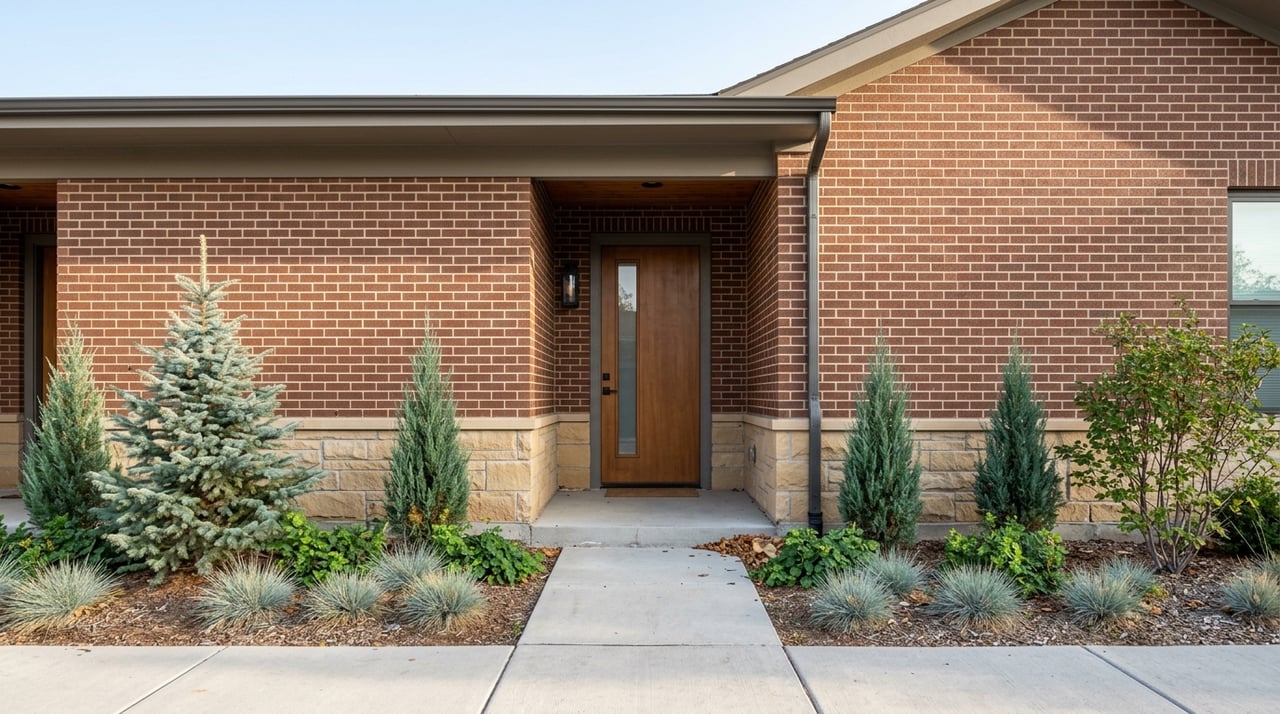
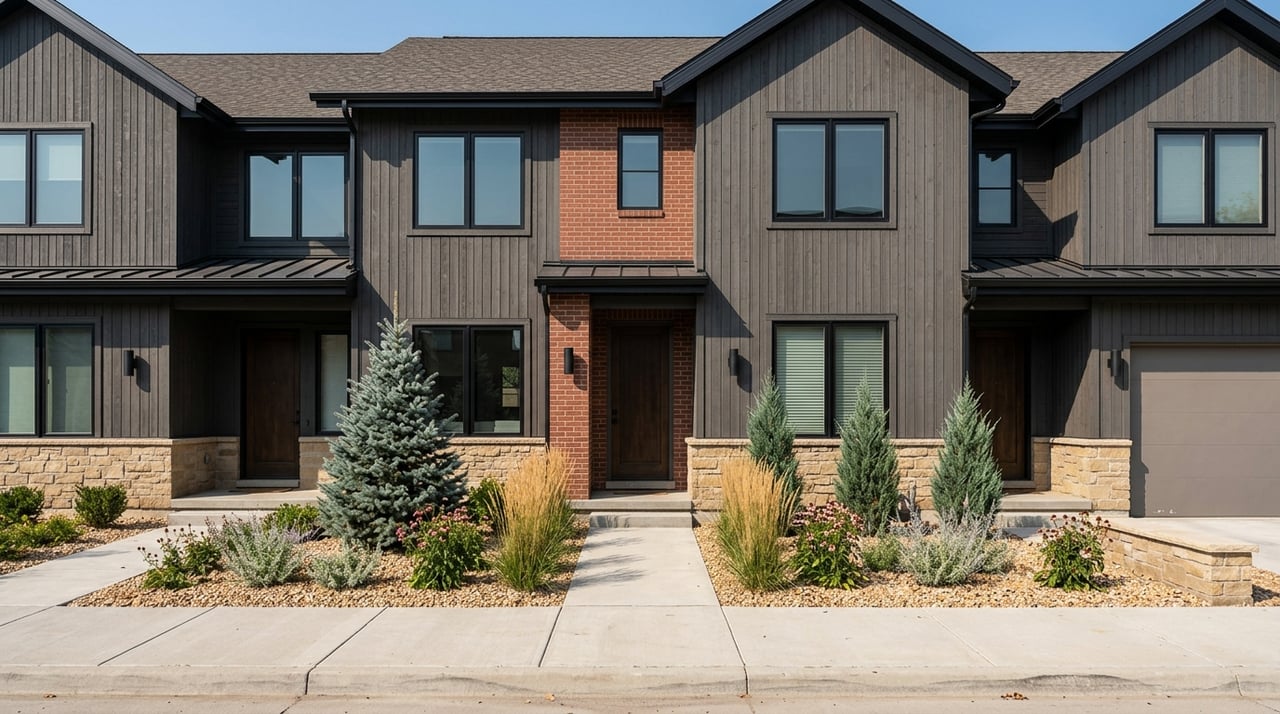
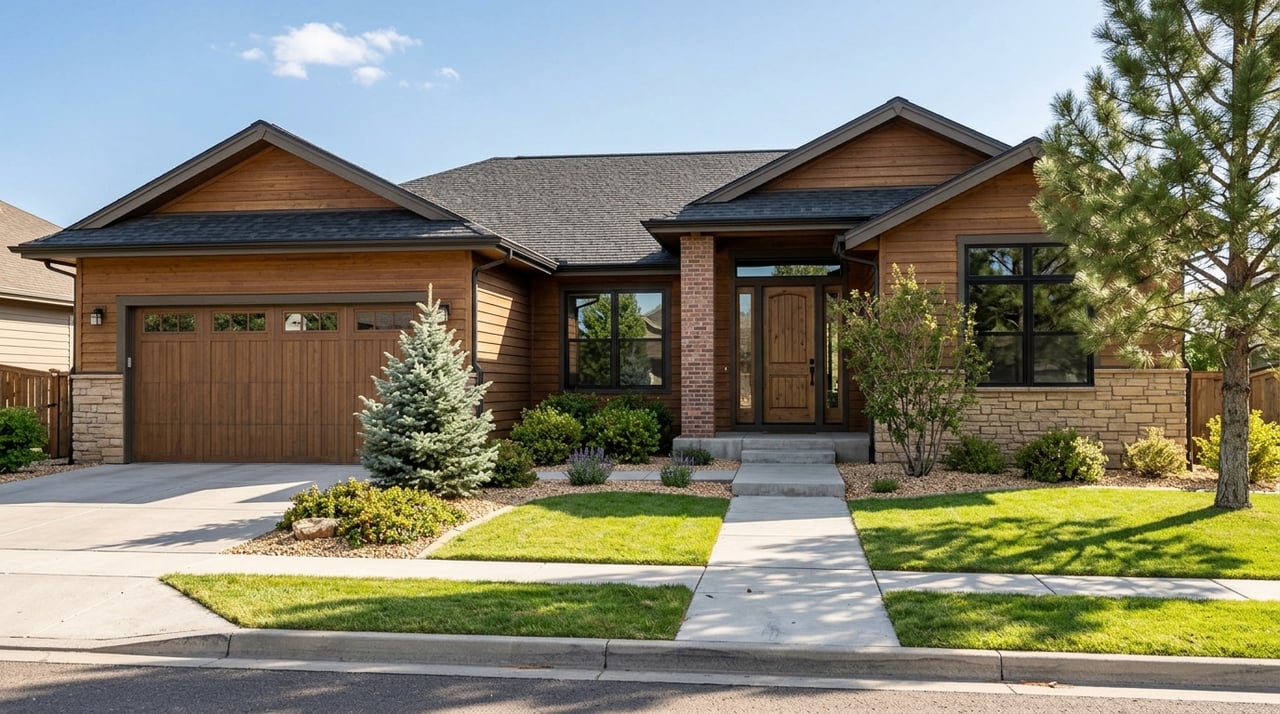
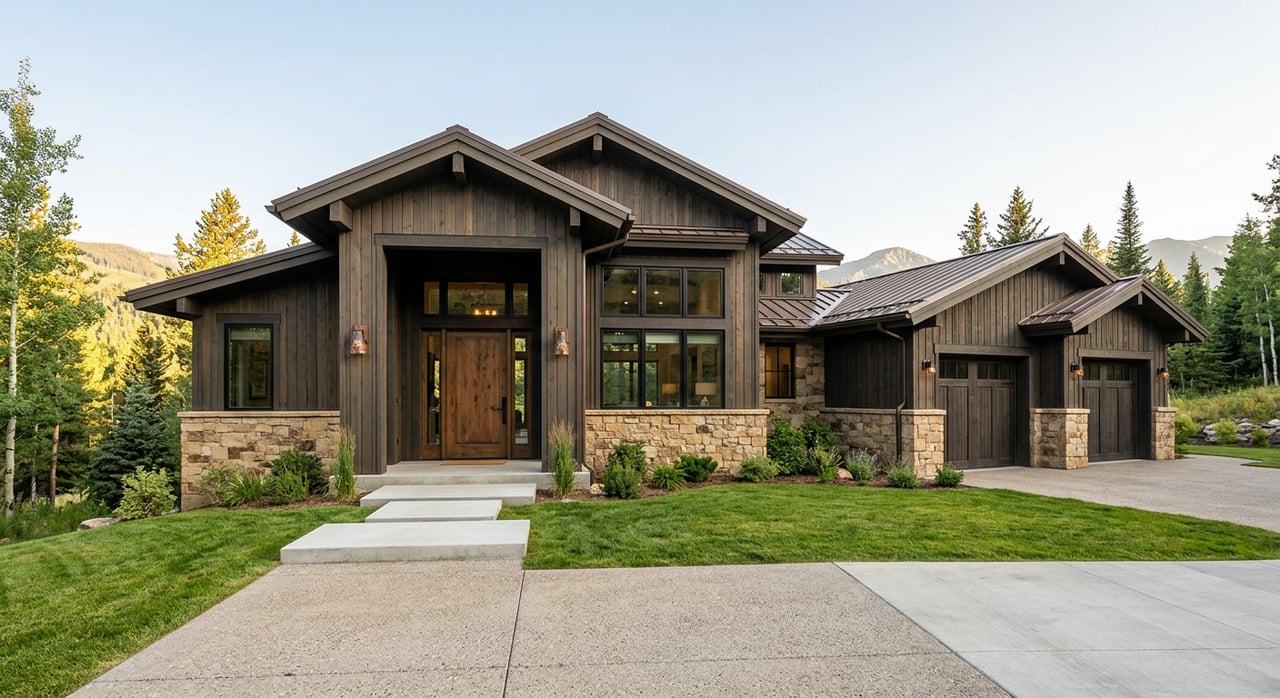
Typical home types. Denver’s core neighborhoods feature many condos, townhomes, and older infill single‑family homes, with higher prices in sought‑after areas. El Paso County has a large share of single‑family homes and master‑planned communities, plus a higher overall owner‑occupancy rate. Newer subdivisions on the north and east sides of the Springs appeal to buyers who want larger homes and yards at a midrange price.
Price bands to frame your search. In early 2026, entry‑level budgets in the Springs often find single‑family or townhome options in the low‑to‑mid $300Ks into the low $400Ks, while Denver’s entry tier leans toward condos, smaller townhomes, or smaller single‑family homes depending on location. Move‑up budgets in the Springs around the mid $400Ks to $700Ks commonly find larger homes and newer subdivisions. Premium budgets above $800K can unlock signature neighborhoods or acreage in the Springs that would command higher prices in many central Denver areas. Neighborhoods vary, so use current local MLS data when you get serious about a specific area.
Commute insights and daily routines
Moving to Colorado Springs changes your day‑to‑day rhythm. Commutes and access are part of that picture.
Within‑city commutes. The Census Bureau’s 5‑year estimates show mean travel time to work of about 23.5 minutes in El Paso County (2019–2023 ACS) and about 24.9 minutes in Denver County (2020–2024 ACS). You can view the county figures on El Paso County QuickFacts and the Denver County page noted above. Your actual time will depend on your neighborhood and route.
Intercity commuting. Denver and Colorado Springs are roughly 70 miles apart, with driving times around 1.0 to 1.5 hours each way in typical conditions. Congestion, weather, and I‑25 construction history in the South Gap corridor can extend trips. For a practical overview, see this summary of the drive time between Denver and Colorado Springs. If daily commuting is on your radar, test your door‑to‑door route during peak periods before you commit to a neighborhood.
Transit options. There are intercity bus and shuttle services like Bustang, but limited rail between the cities. Most long‑distance commuters still drive, while many households use hybrid or remote work to cut weekly trip counts. The same drive time overview outlines common alternatives.
Lifestyle tradeoffs to consider
You will likely trade some of Denver’s dense urban amenities for easier outdoor access and more space in the Springs.
Outdoor access. Pikes Peak, Garden of the Gods, Red Rock Canyon, Cheyenne Mountain trails, and Seven Falls are close to many neighborhoods, making before‑work trail time or quick weekend hikes part of normal life. The state’s visitor guides spotlight these assets for good reason. Browse the Colorado state vacation guide for an overview of marquee spots.
Everyday rhythm. Central Denver offers more concentrated dining, arts, and transit, while Colorado Springs delivers larger lots, newer subdivisions, and a quieter suburban feel in many areas. If you want historic charm, Old Colorado City and Manitou Springs bring walkable main‑street energy and quick trail access. If you want newer builds and community amenities, consider northern and eastern corridors with master‑planned neighborhoods.
If you own in Denver: sell or rent before you move?
Your plan should match your timeline, cash flow goals, and risk tolerance.
Market context for Denver sellers
Inventory rose into 2025–2026, and DMAR noted a more balanced backdrop where buyers in some areas have a bit more negotiating room. This can affect pricing and time to contract. Review the latest figures in the DMAR January 2026 Market Trends Report and work from a current, neighborhood‑level CMA before you list.
Back‑of‑the‑envelope rental math
If you are thinking about keeping your Denver property as a rental, start with realistic rent inputs and a full expense picture.
- Rent input. Apartment List’s March 2026 city median in Denver is about $1,573 per month. Use this as a directional check while you pull neighborhood‑specific figures and property‑type comps. See Apartment List’s Denver rent trends.
- Expense line items. Tally your mortgage principal and interest, taxes, insurance, HOA if applicable, a maintenance reserve, potential vacancy allowance, and any management fee if you do not self‑manage.
- Simple example. If your monthly costs total $2,200 and your expected rent is $1,900 based on similar nearby units, you would plan for a shortfall of about $300 per month, plus any reserves you set aside. On the other hand, if your rent expectation is meaningfully higher than your expenses, the property may help fund your Springs purchase. These are illustrative numbers. Your specific property will differ by location and condition.
If you decide to sell first, discuss timing strategies, contingent offers, temporary rentals, and possible bridge options with your agent so your sale and purchase line up without unnecessary stress.
How to choose your Colorado Springs neighborhood
A smart short list starts with your routine and priorities.
- Commute and access. Map your likely routes at peak times. If you anticipate frequent Denver trips, focus on north‑side corridors for quicker I‑25 access. If you work in central Colorado Springs, consider proximity to your workplace and daily errands.
- Home type and space. Decide if you want a newer home in a master‑planned community, a townhouse or condo with lower maintenance, or a classic home near historic districts.
- Parks and trails. If trail time is a priority, look at neighborhoods near Garden of the Gods, Red Rock Canyon, and Cheyenne Mountain open spaces so quick hikes fit your schedule.
- Future resale. Ask your agent for recent, hyper‑local comps and time‑to‑contract trends so you understand the micro‑market before you offer.
Your Front Range move, simplified
Relocating from Denver to Colorado Springs is a lifestyle decision and a financial decision. With up‑to‑date pricing, a clear commute plan, and a neighborhood that fits your routine, you can make the move with confidence. If you are ready to compare neighborhoods, get a current valuation, or coordinate a sell‑then‑buy plan, reach out to our team at Lifestyle International Realty Colorado. We are here to make the transition smooth, from first questions to closing.
FAQs
What are 2026 median home prices in Denver vs. Colorado Springs?
- DMAR reported a Denver metro median sale price around $569,500 in January 2026, while local reporting on Pikes Peak MLS data noted a $500,000 single‑family median milestone in June 2025; medians in the Springs have been tracking below Denver into early 2026.
How much could I save on rent by moving to Colorado Springs in 2026?
- Apartment List’s March 2026 medians show Denver at about $1,573 and Colorado Springs at about $1,322 per month, suggesting potential monthly savings near $250, depending on unit type and location.
Is daily commuting from Colorado Springs to Denver realistic?
- It is possible but long. Plan for about 1.0 to 1.5 hours each way under typical conditions for the 70‑mile trip, with delays during congestion, weather, or incidents on I‑25; many commuters rely on hybrid or remote work schedules.
What types of homes are more common in Colorado Springs than Denver?
- El Paso County has a higher share of owner‑occupied single‑family homes and many master‑planned communities, while Denver features more condos, townhomes, and older infill single‑family homes in the core.
Should I sell my Denver home or keep it as a rental before moving?
- Check current neighborhood comps for sale timing, then build a rental pro‑forma with realistic rent, mortgage and expenses, reserves, and any management fee; pick the path that aligns with your cash flow needs and risk tolerance.
Which numbers should I trust more: Zillow or the local MLS?
- Aggregators give helpful big‑picture signals, but for decisions and final pricing, rely on local MLS closed‑sale data and a neighborhood‑specific CMA prepared by your agent.