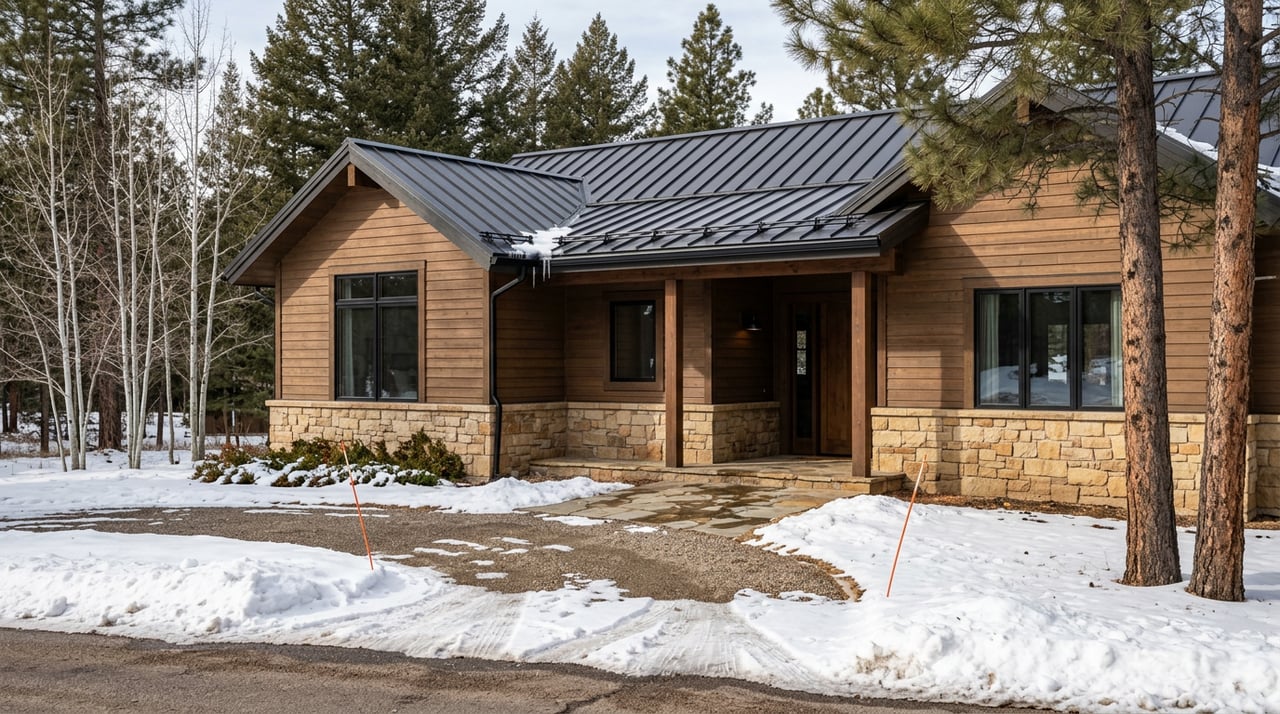
Dreaming of fresh pine air, big skies, and a quick escape from city life? Conifer gives you that mountain feel within reach of Denver, but buying here works a bit differently than in town. From winter road access to wells, septic, and wildfire readiness, mountain due diligence is specific and essential. In this guide, you’ll learn the key checks, timelines, and questions to ask so you can buy with confidence and enjoy your new place from day one. Let’s dive in.
Conifer at a glance
Conifer is an unincorporated foothills community along U.S. Highway 285 in Jefferson County at around 8,200 feet. You’ll find wooded lots, true mountain weather, and varied infrastructure from property to property. Some areas tie into utility districts, while many homes rely on private wells and on-site septic systems.
If you want access to Denver with a quieter, outdoor lifestyle, Conifer is a strong fit. Just plan for different day-to-day realities, like winter driving and private services. To learn more about the area’s setting and community, start with the local overview on the Conifer Area Chamber of Commerce site at goconifer.com.
Road access and winter realities
Who maintains your road
In mountain areas, not every road is public or maintained the same way. State highways such as 285 are handled by the Colorado Department of Transportation. Inside unincorporated Jefferson County, the Road and Bridge division maintains only accepted county roads. Private roads are not county maintained, and new roads are not maintained until the county formally accepts them. You can review snow and ice priorities and general policies on the county’s page for Snow and Ice Control.
What this means for you: verify if your access is on a county-maintained road, a state highway, or a private road. Ask the seller for any road association documents and past invoices for grading or plowing if the access is private. If there is no organized maintenance, factor that risk into your decision and budget.
Legal access and private roads
Make sure you have recorded legal access to reach the property. Your title commitment and recorded plats should show an ingress and egress easement or fee-simple access. If your driveway crosses another parcel, request the recorded easement and any maintenance language. For shared or private roads, look for a written road maintenance agreement that spells out responsibilities, cost-sharing, and how decisions get made.
Driveways and permits
If the driveway connects to a county road, Jefferson County requires the proper access/driveway permit and inspections for new work. County standards may include culverts, drainage, and sight-distance requirements. Confirm any permits on file and plan for review time if you need changes.
Winter driving plan
County plows prioritize arterials, then collectors, then residential streets and cul-de-sacs. Packed snow and ice can linger on neighborhood roads, and berm removal at your driveway is your responsibility. For private roads, service is paid for by a road association, HOA, or individual owners. Do not assume 24/7 plowing. Build a winter plan that includes a capable vehicle, traction gear, and a backup for private plowing. You can view county expectations and timing on Jefferson County’s Snow and Ice Control page.
Wells, water, and septic
Verify the well
Many Conifer properties rely on private wells. In Colorado, the Division of Water Resources (DWR) issues well permits and keeps public records. You should verify the well permit and look up the well log, construction details, and any available pump tests. If records are missing or unclear, schedule an independent well evaluation and yield test. You can learn how permits and inspections work through the DWR’s page on Well Construction and Inspection.
A helpful callout: state well permits and well logs are public records you can request. Use the permit number to find details and confirm the legal use of the well.
Test water quality
Order a certified lab test of the raw, untreated water. At minimum, test for bacteria (total coliform and E. coli) and nitrate/nitrite. Depending on the address and geology, consider a panel that includes naturally occurring metals. Jefferson County notes that some septic and permitting processes require specific water tests. See the county’s guidance on Onsite Wastewater Treatment Systems.
Septic Use Permit at sale
Jefferson County regulates on-site wastewater systems and runs a time-of-sale Use Permit program for many transfers. Expect a certified inspection of the tank and leach field, documentation of components, and a determination of whether the system is functioning. If a system fails, repairs or a buyer agreement must be addressed before closing. Fees, forms, and inspector lists are available through Jeffco Environmental Health’s OWTS page. Schedule this early because repairs can add weeks to your timeline.
Site feasibility and costs
Performance and costs vary widely in foothills terrain. Depth to bedrock, slope, soil type, and lot size all influence septic design and well yield. Engineered septic solutions are common on sloped or small lots, and drilling outcomes in fractured bedrock can be unpredictable. Budget for professional site reviews and avoid relying on informal claims about a “great well” without data.
Utilities, heat, internet, and wildfire
Electricity and heat sources
Parts of the Conifer corridor are served by electric cooperatives, including Intermountain Rural Electric Association. Confirm service and capacity with the provider for your specific address. You can find IREA contact information via local directories, such as this listing for Intermountain Rural Electric Association.
Natural gas is not always available in mountain neighborhoods. Many homes use propane, electric heat, wood stoves, or a mix. If propane is in use, ask whether the tank is owned or leased, confirm refill history, and speak with the supplier about winter delivery and access. Always verify utility details at the specific property address.
Internet and cell service
Connectivity is address-specific. Some areas near the highway have cable or fiber, while others rely on fixed wireless or satellite options. Many buyers now use low-earth-orbit satellite service if the site has a clear sky view. Tree cover and terrain affect performance, so run provider lookups for the property and test cell reception during your showings. Always verify service at the address rather than assuming neighborhood-wide availability.
Fire districts, mitigation, and insurance
Conifer is part of the wildland-urban interface. Jefferson County runs programs that help residents dispose of slash and support mitigation, and the county is advancing a Wildfire Resiliency Code for unincorporated areas. Explore the county’s SLASH collection and chipping resources to understand local mitigation support.
Insurance carriers often weigh wildfire risk heavily. The Colorado Division of Insurance encourages defensible space and home hardening steps and notes that mitigation can affect coverage and premiums. Get quotes early and ask carriers about any wildfire-related requirements. For consumer guidance, read the Division’s advisory on wildfire mitigation and insurance.
Lot types, construction, and inspections
Typical lots and districts
Lots in Conifer range from roughly one acre to larger acreage, often wooded and sloped. Many older subdivisions were built with private wells and septic, while a few pockets are served by local districts. For example, the Mountain Water and Sanitation District serves parts of the area. Always confirm whether a property is on private systems or tied into a district and whether taps or permits are in place.
Common home features
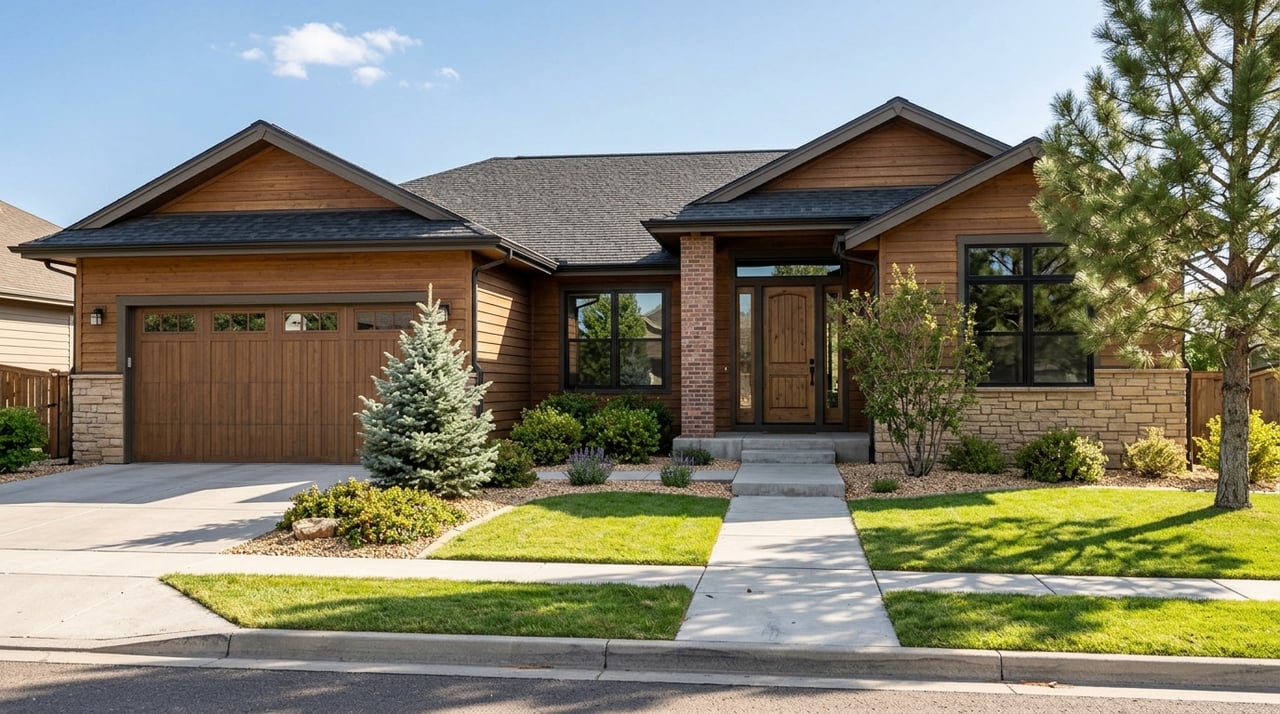
You’ll see log cabins, ranch-style homes, contemporary mountain designs, and manufactured homes. Steeper roof pitches and large decks are common. Many homes include wood stoves or propane appliances. Foundations are often walk-out or engineered to handle slope and bedrock conditions. It pays to hire inspectors with foothills experience.
Your mountain inspection checklist
Use this list to focus your due diligence:
- Road and driveway: Confirm public vs private status, recorded easements, and any road maintenance agreement. Ask for driveway permit records if the access meets a county road. See Jeffco Snow and Ice Control for maintenance context.
- Well: Verify the permit and registration, locate the well log, and arrange a pump test if needed. Learn about records and inspections at the DWR’s Well Construction and Inspection page.
- Septic: Order the county Use Permit inspection, request tank pumping and inspection records, and consult a licensed engineer if upgrades are likely. Start at Jeffco’s OWTS page.
- Roof and snow load: Check age, roof covering class, and the condition of chimneys and vents, especially where wood stoves are present. Ask your insurer how roof materials can affect premiums.
- Drainage and retaining features: Make sure water flows away from the house and that leach fields and driveways are not in natural runoff paths.
- Wildfire hazards: Evaluate defensible space, tree spacing, roof and vent vulnerability, and access for fire apparatus. See county mitigation support through SLASH and chipping programs.
Recommended pros include a DWR-licensed well professional, a Jefferson County-certified septic inspector or pumper, a home inspector with mountain experience, a chimney specialist, an arborist for tree-risk assessment, and a driveway or road contractor if improvements are needed.
Buying timeline and negotiation
Plan your steps
- Order septic and well inspections early. The county’s Use Permit process and any needed repairs can add weeks to your closing timeline. Details are at Jeffco’s OWTS page.
- Verify road status and access. If a private road lacks a maintenance agreement, negotiate for one or budget for your own plowing and grading.
- Confirm utilities at the address. Ask the electric provider about service capacity and line-extension policies, and verify heating fuel logistics.
- Get insurance quotes early. Ask about wildfire mitigation requirements and any coverage limitations.
- Build contingencies that fit the property. Give yourself time for specialized inspections, permits, and contractor bids.
Red flags worth a pause
- No recorded access easement to the property
- Septic system that fails the Use Permit inspection
- Unpermitted additions that could impact the septic layout
- Missing well permit or very low well yield
- No road maintenance agreement for a private road
- Insurance unavailable or very high wildfire-related premiums
Any of these issues can be managed, but they should trigger strong contingencies or negotiation for repairs, credits, or extended timelines.
Quick address checklist
- Confirm public, private, or state-maintained road
- Get title docs showing legal access and any easements
- Ask for private road maintenance agreements and invoices
- Verify well permit, well log, and run water-quality tests
- Schedule septic Use Permit inspection and review records
- Confirm electric provider and heating fuel plan
- Check internet options with providers and test cell service
- Request insurance quotes and mitigation guidance
- Walk the lot for drainage, slope, and tree-risk concerns
Buying a mountain home in Conifer is about matching your lifestyle goals with clear, address-specific due diligence. With the right plan, you can enjoy the quiet, the views, and the trails without surprises. If you want a local partner who understands foothills properties and can connect you with trusted inspectors and service providers, reach out to Lifestyle International Realty Colorado. We offer warm, professional guidance for buyers and can support bilingual conversations as needed.
FAQs
How do winter road priorities affect daily life in Conifer?
- Jefferson County plows arterials first, then collectors, then local streets, and private roads are not county maintained, so you should plan for packed snow and arrange private plowing where needed. Review Snow and Ice Control for expectations.
What should I check about a Conifer property’s well?
- Verify the well permit number, look up the well log, and schedule a yield test if records are thin; DWR explains permitting and inspections at Well Construction and Inspection.
What is Jefferson County’s septic Use Permit at sale?
- For many transfers, the county requires a certified inspection and documentation of the system; failing systems must be repaired or addressed before closing. Start at OWTS and Use Permits.
Is natural gas available across Conifer?
- Availability varies by address; many homes use propane, electric, or wood heat, so always confirm utility options and delivery logistics for the specific property.
How does wildfire risk impact insurance for Conifer homes?
- Carriers may require mitigation or adjust premiums; get quotes early and review guidance from the Division of Insurance’s advisory on wildfire mitigation.
Are any Conifer areas on public water and sewer?
- Most lots rely on wells and septic, but some pockets are served by districts such as the Mountain Water and Sanitation District; always confirm service at the address.